Keeping a 262,000-Mile Toyota Camry on the Road: Repair, Inspection & a Long-Term Maintenance Plan
A vehicle with more than 262,000 miles doesn't necessarily need to be replaced. Sometimes it just needs a good mechanic, an honest assessment, and a realistic plan.
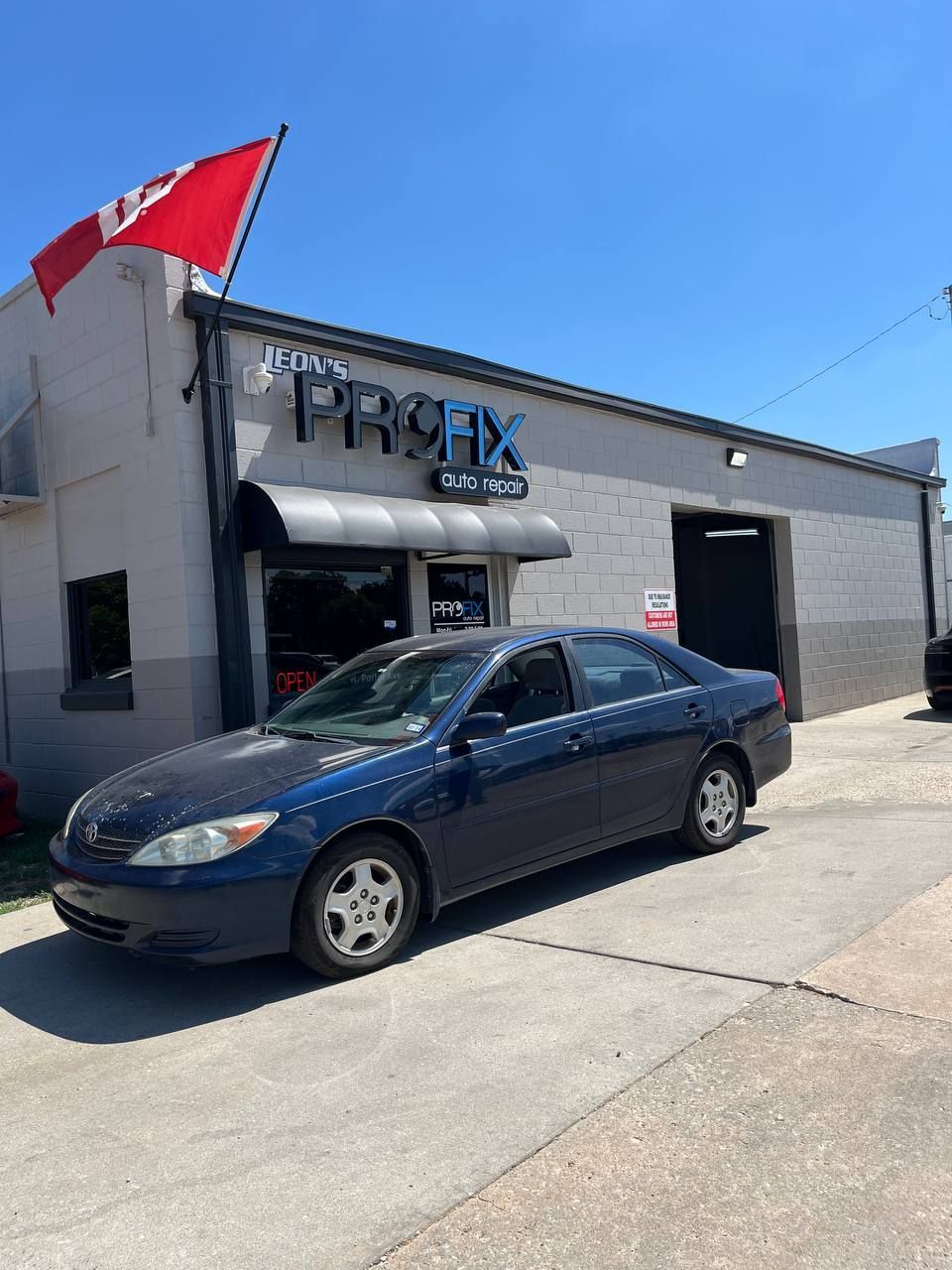
This 2003 Toyota Camry LE recently came into our Norman, Oklahoma auto repair shop with a no-start condition. The customer reported that the vehicle would not start and that the battery terminals appeared frayed.
With a high-mileage vehicle, it's especially important not to start replacing parts based on assumptions. We began with diagnosis to determine exactly why the Camry wasn't starting.
Diagnosing the No-Start Condition
Our technician checked the starting and charging system and verified that the battery itself was good. During testing, the starter was making abnormal noise and was confirmed to be faulty.
The repair was straightforward once the problem was properly diagnosed: replace the failed starter motor.
After the starter replacement, the Camry was able to return to service.
But fixing the customer's immediate complaint was only part of the visit.
At PROFIX Auto Repair, we perform a 27-point inspection so customers can understand the overall condition of their vehicle — especially when we're working on an older, higher-mileage car.
A Thorough Inspection Is About Information, Not Pressure
This Camry has traveled more than a quarter-million miles. Finding additional maintenance and repair needs on a vehicle of this age isn't unusual.
During our inspection, we documented several items that need attention, including:
- Degraded brake fluid
- Very low coolant
- A dirty engine air filter
- Wiper blades that were streaking
- Oil leakage that needs to be cleaned and reinspected to accurately locate the source
- Damaged boots on both front stabilizer bar end links
- A damaged boot on the right outer tie rod end
- Damaged lower ball joint boots with grease loss
That's a lot of information.
But finding several things wrong with a vehicle does not mean every one of them has to be repaired during the same visit.
That's an important distinction.
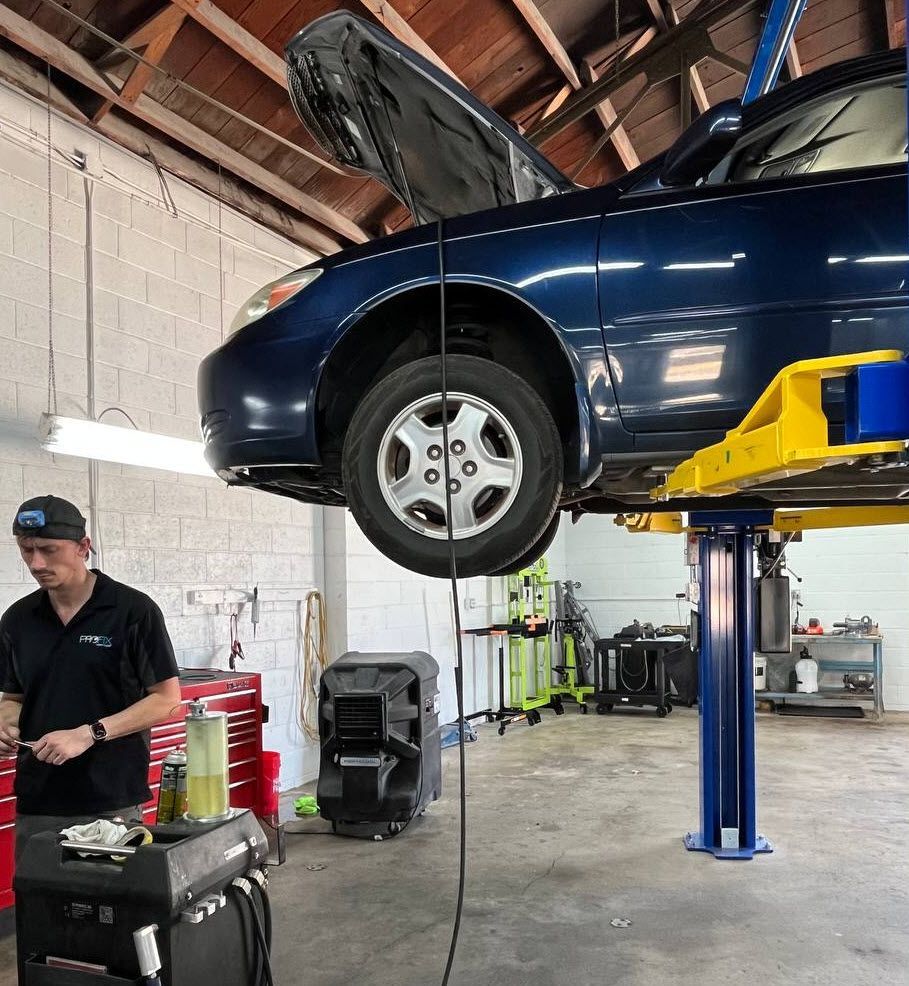
Some Repairs Really Are More Important Than Others
When you're maintaining an older vehicle, prioritization matters.
A worn wiper blade and a steering or suspension component developing excessive play are not the same kind of problem. Neither is a dirty air filter compared with a major coolant loss.
Some repairs affect safety or the possibility of a breakdown and deserve higher priority. Other maintenance items should be taken care of soon but may not require immediate repair that day. Still others can be monitored and scheduled for a future visit.
Our job is to explain the difference.
We want our customers to know:
- What's wrong?
- How serious is it?
- What should be repaired first?
- What can reasonably wait?
That's much more useful than simply handing someone a long estimate and telling them they need everything.
Building a Repair Plan for a High-Mileage Car
On this visit, the customer chose to address the immediate starting problem along with the recommended brake fluid service. The additional findings were documented so they can be addressed over future visits.
And we're perfectly comfortable with that.
We don't believe a vehicle inspection should be used as a pressure tactic. The purpose is to arm the owner with information.
For many people, keeping an older vehicle on the road means spreading maintenance and repairs over time. A good repair shop should be able to help develop that plan instead of making a customer feel like every recommendation has to be authorized immediately.
That can mean taking care of the most important items first, budgeting for the next repairs, and continuing to inspect the vehicle as it ages.
Why Brake Fluid Condition Matters
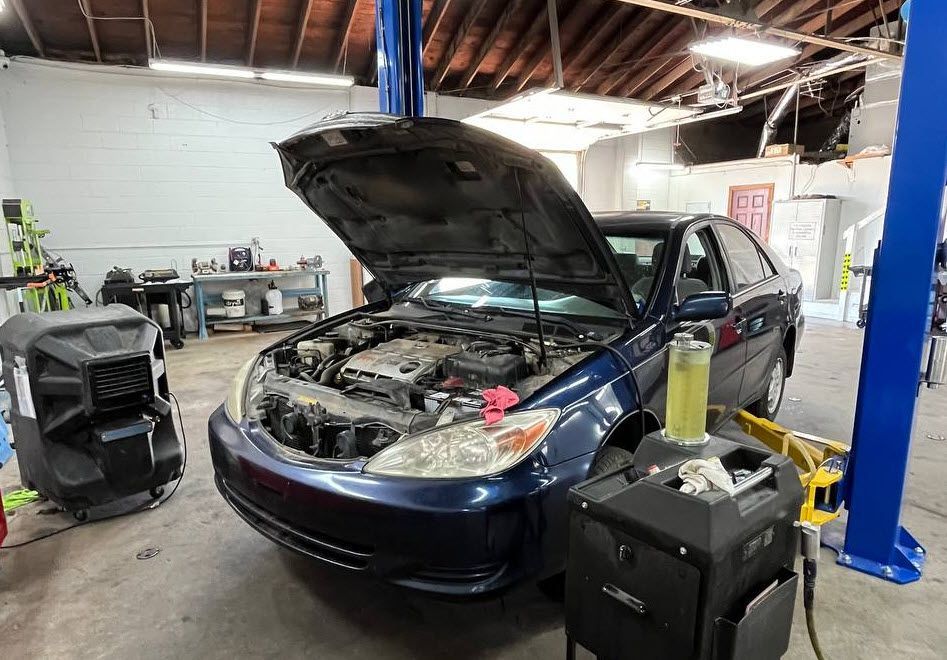
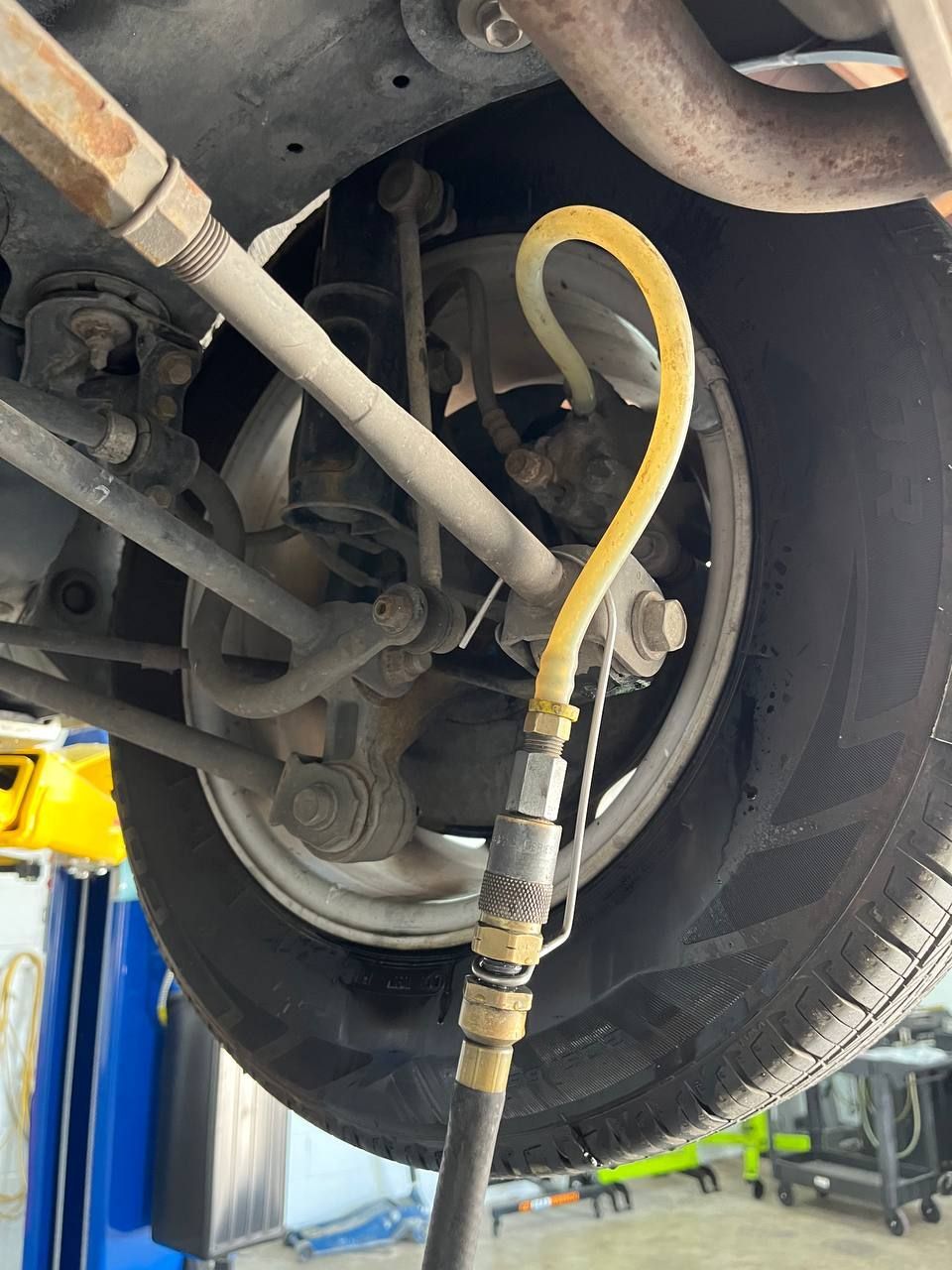
The brake fluid on this Camry tested as degraded and contaminated, so the customer approved a brake fluid flush and service.
Brake fluid absorbs moisture over time. As the fluid ages, that moisture can reduce braking performance under demanding conditions and contribute to corrosion inside expensive brake system components.
During a proper brake fluid service, the old fluid is removed and replaced with fresh fluid throughout the hydraulic braking system.
This isn't simply topping off the reservoir. The goal is to exchange the old fluid throughout the system.
Is a 262,000-Mile Car Still Worth Maintaining?
Sometimes, absolutely.
Mileage alone doesn't determine whether a vehicle is worth repairing.
The better questions are:
- What condition is the vehicle in overall?
- What repairs does it currently need?
- Are the engine and transmission still serviceable?
- What will the upcoming repairs cost compared with replacing the vehicle?
- Does the owner still like and depend on the car?
Older Toyota Camrys have a reputation for accumulating substantial mileage, but even a durable vehicle still needs maintenance and repairs as components wear.
The key is knowing what you're dealing with.
And that's exactly where a thorough inspection becomes valuable.
Auto Repair Should Help You Make Decisions
We don't want customers leaving PROFIX knowing less about their car than when they arrived.
When we inspect a vehicle, we'll document what we see, explain our recommendations, and help determine what deserves priority.
Sometimes the answer is:
“This really needs to be done now.”
Other times it's:
“This needs attention, but let's make a plan for it.”
That approach is particularly important with high-mileage vehicles because keeping them reliable often isn't about one giant repair visit. It's about maintaining them thoughtfully over the long haul.
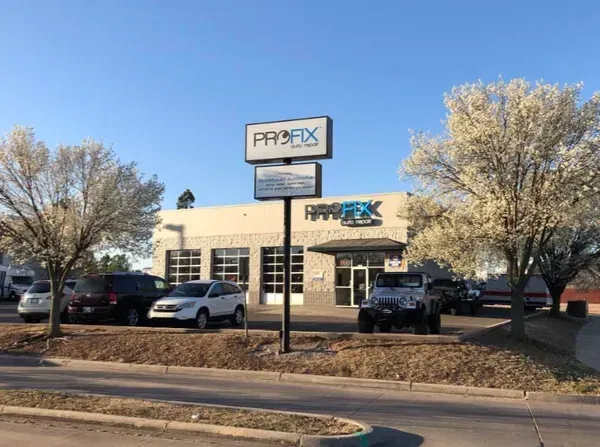
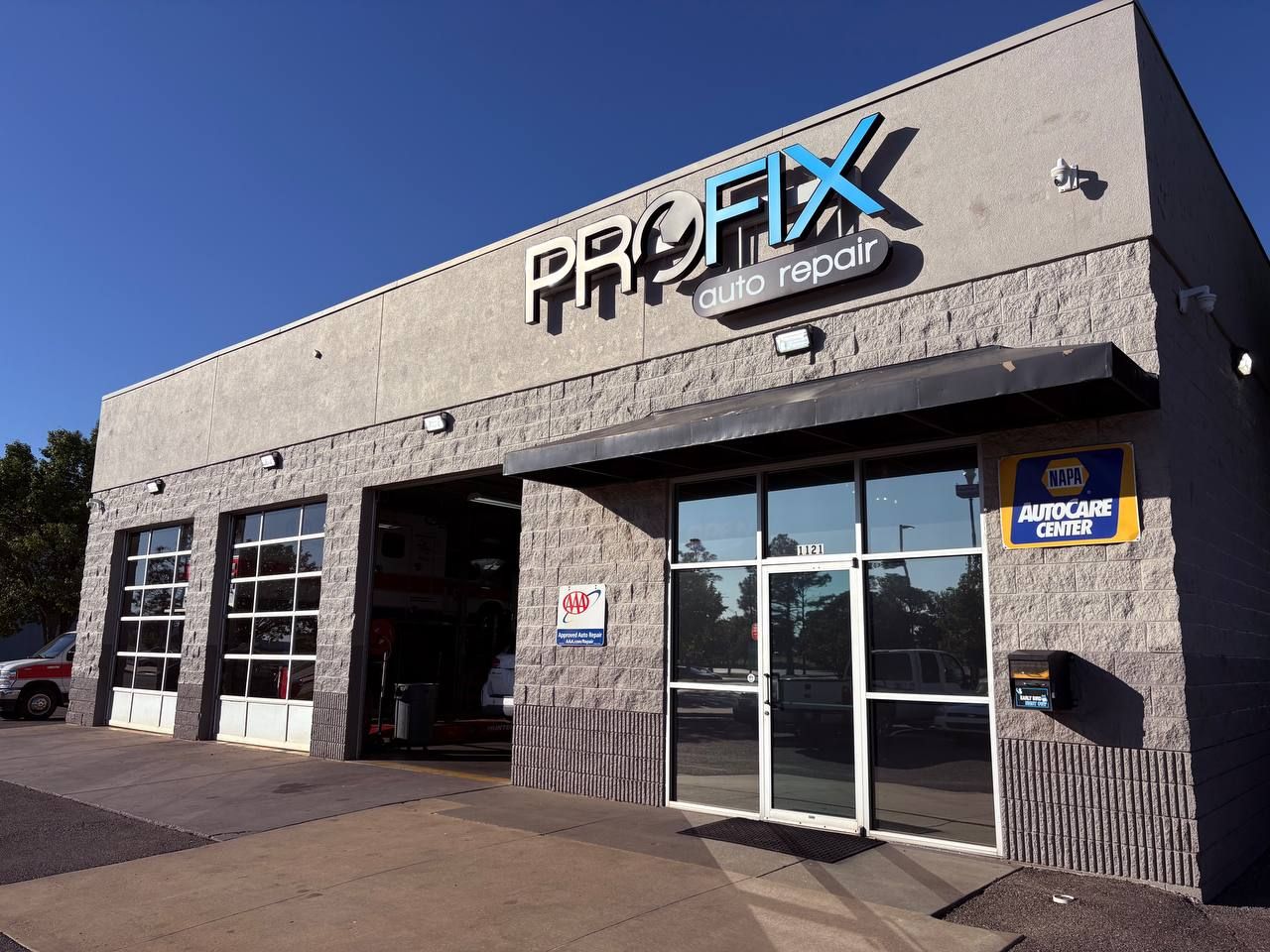
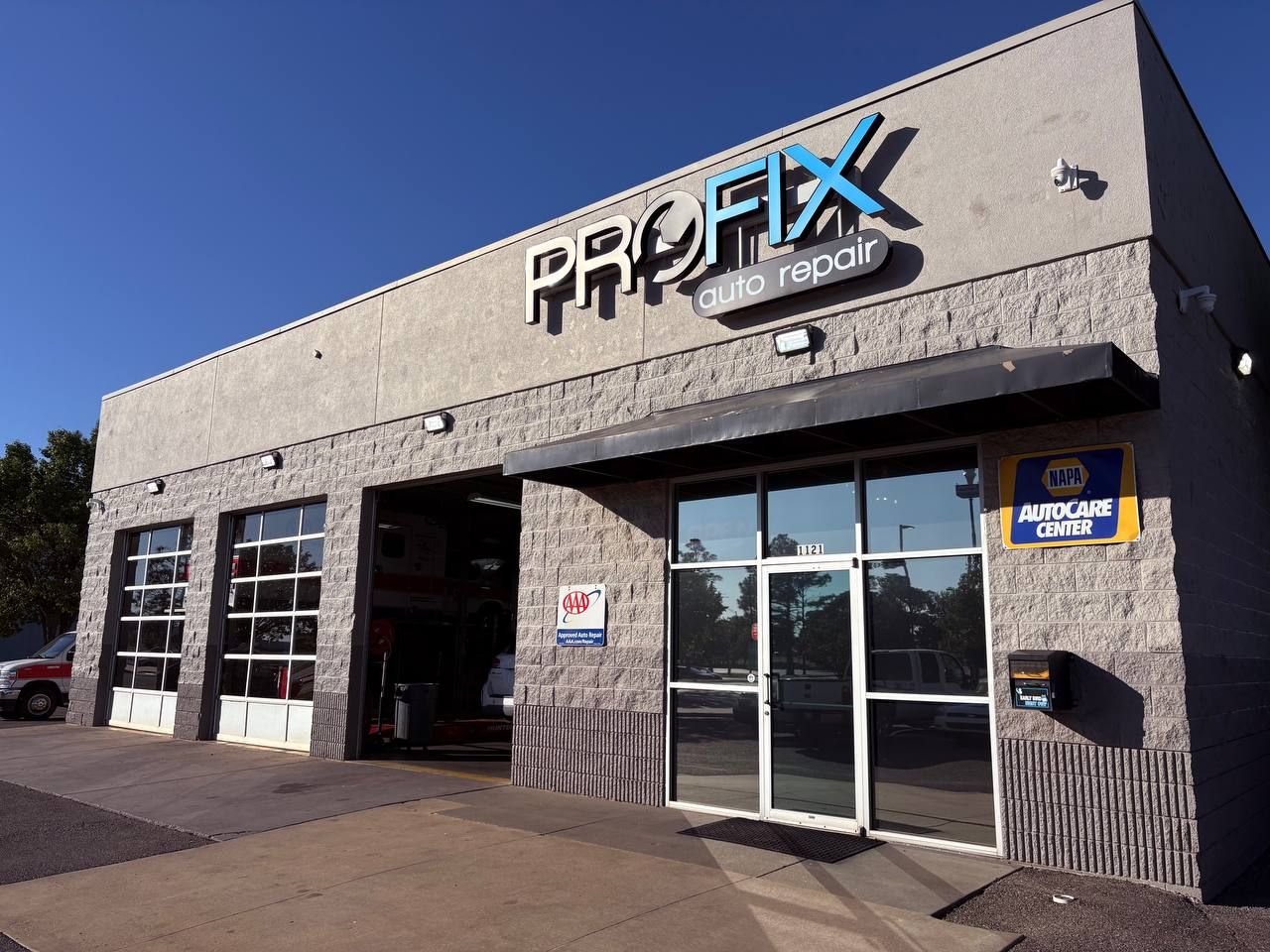
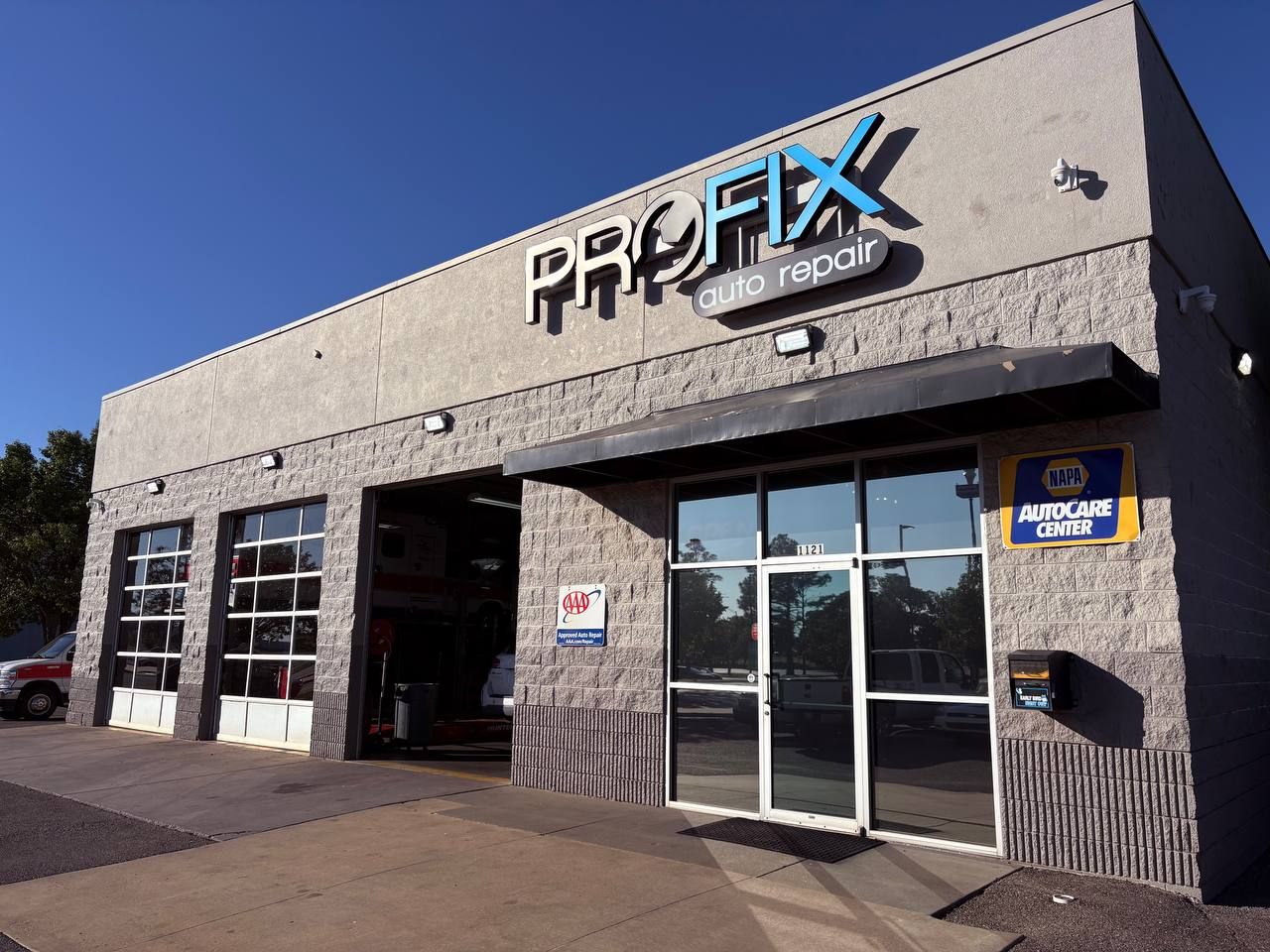
If you're trying to keep an older car, truck or SUV on the road, bring it to PROFIX Auto Repair in Norman, Oklahoma. We'll help you understand its condition, prioritize the repairs that matter most, and make a realistic plan for the rest.
PROFIX Auto Repair – West
1121 Rambling Oaks Dr
Norman, OK 73072
📞 (405) 310-2279
🕒 Monday–Friday: 7:30 AM – 5:00 PM
Leon’s PROFIX Auto Repair – East
521 N Porter Ave
Norman, OK 73071
📞 (405) 364-2799
🕒 Monday–Friday: 7:30 AM – 5:00 PM
Email Us: