2015 Chrysler Town & Country Brake Problems: Diagnosing a Spongy, Fading Brake Pedal
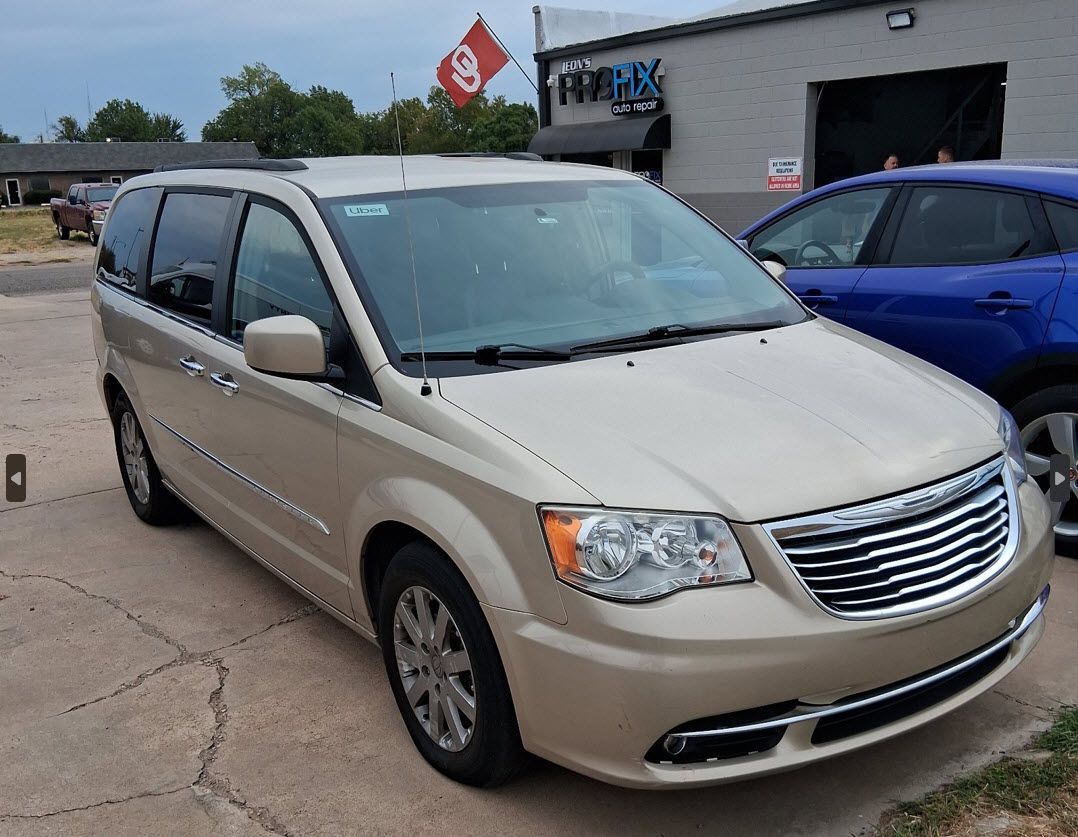
A 2015 Chrysler Town & Country came to Leon's PROFIX Auto Repair in Norman, Oklahoma, with persistent brake problems, including a soft, fading brake pedal. What followed was a detailed diagnosis involving the ABS system, brake booster vacuum sensor wiring, master cylinder, and a damaged adjustment rod.
A Brake Pedal That Wouldn't Firm Up
Some brake problems are fairly straightforward. Others take considerably more investigation.
The owner of this 2015 Chrysler Town & Country had been dealing with repeated brake problems, including a pedal that felt spongy and would fade under pressure. Previous brake work had not completely resolved the concern.
A brake pedal that feels soft, travels unusually far, or slowly sinks under steady pressure can indicate a problem within the hydraulic braking system. Air trapped in the brake lines, a failing master cylinder, or an ABS hydraulic issue are among the possibilities.
Our technicians needed to determine what was actually happening before the problem could be considered resolved.
When Bleeding the Brakes Doesn't Solve the Problem
One of the first areas of investigation was the brake hydraulic system.
Our technicians performed multiple bleeding procedures, including pressure bleeding, manual bleeding, and an ABS module bleeding procedure using a diagnostic scan tool. Bleeding removes trapped air from the hydraulic system, which can otherwise compress when the brake pedal is applied and create a soft or spongy feeling.
Despite repeated bleeding procedures, the pedal still did not feel correct.
Additional testing included isolating the master cylinder to evaluate the source of the poor pedal response. The ABS hydraulic control unit was also replaced during the repair process, but that alone did not correct the fading pedal. The persistent symptoms meant further investigation was necessary.
ABS Trouble Codes Revealed Another Problem
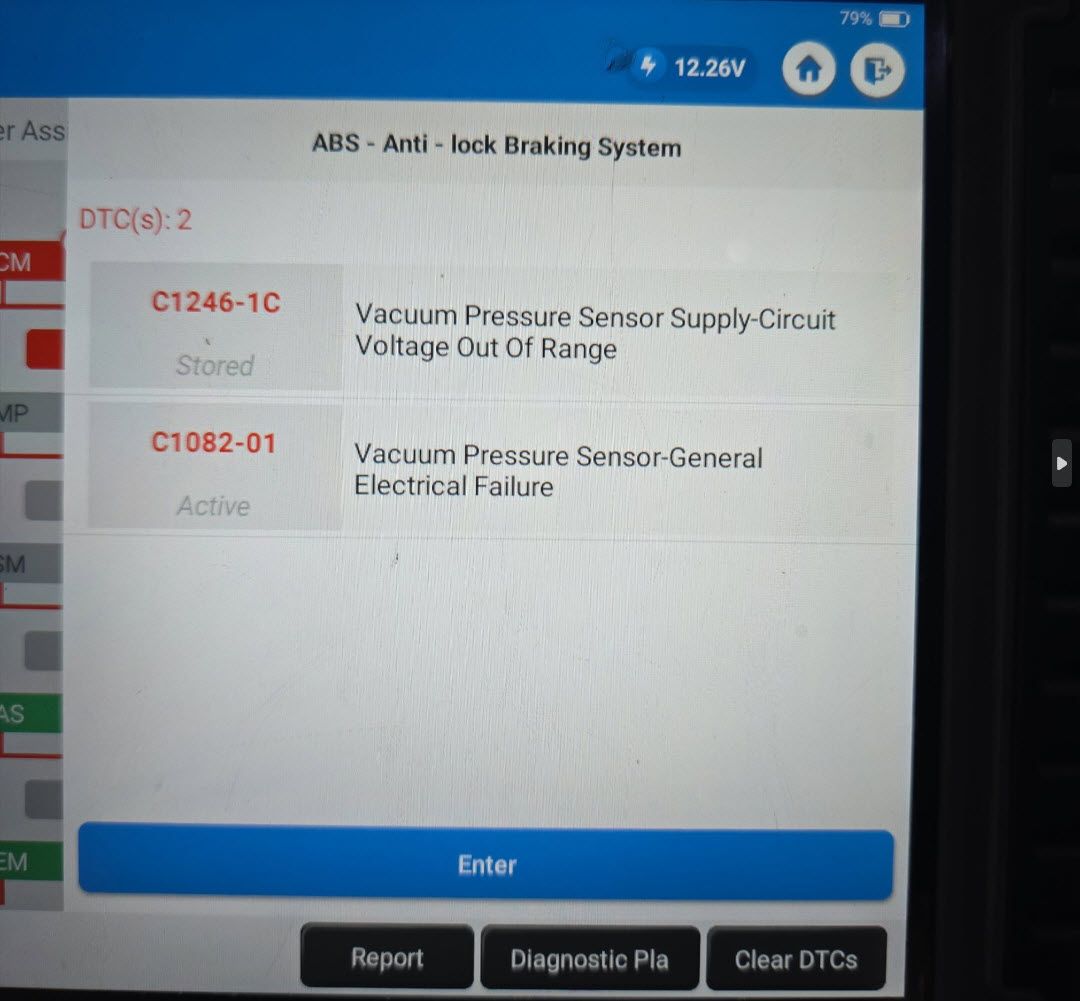
A diagnostic scan also revealed two trouble codes related to the brake booster vacuum pressure sensor:
- C1246-1C: Vacuum Pressure Sensor Supply Circuit Voltage Out of Range
- C1082-01: Vacuum Pressure Sensor General Electrical Failure
The brake booster uses engine vacuum to assist the driver in applying the brakes. The vacuum pressure sensor provides information used to monitor that system. These codes pointed toward an electrical problem involving the sensor or its circuit.
Importantly, an electrical fault affecting brake booster monitoring is not necessarily the cause of a hydraulic brake pedal that slowly sinks. Both concerns needed to be investigated on their own merits.
Finding a Poor Electrical Connection
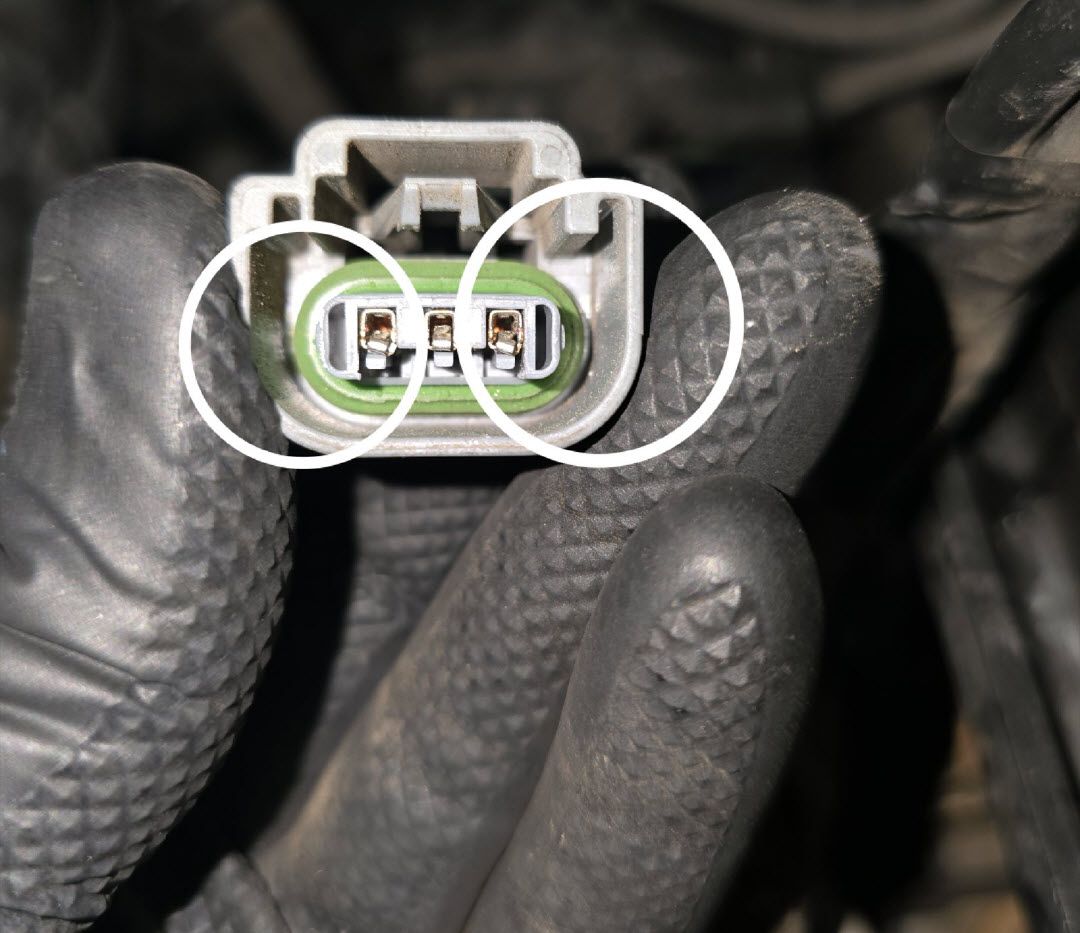
While monitoring the brake booster vacuum pressure sensor data, our technician noticed that the reported readings were not behaving as expected. The wiring and connector were inspected, and moving the sensor connector caused the readings to change.
Further examination revealed poor terminal tension at pins 1 and 3 of the electrical connector. Electrical terminals must maintain firm contact with their corresponding pins. When that contact becomes loose, the connection may become intermittent, interrupting the signal even when the wires themselves appear undamaged.
Our technician carefully adjusted the terminals to improve their contact tension. After reconnecting the sensor, the vacuum reading remained stable when the connector was moved. This confirmed that poor terminal contact was responsible for the intermittent sensor signal.
Because damaged terminals can loosen again, replacement of the connector was recommended as the more reliable long-term repair.
The Master Cylinder and a Bent Adjustment Rod
The hydraulic brake concern still required attention.
The master cylinder is responsible for generating hydraulic pressure when the driver presses the brake pedal. Internal leakage or other failure can allow pressure to diminish, causing the pedal to sink or fade.
A replacement master cylinder was installed and the braking system was serviced. Following replacement, the fading condition stopped. However, the brake pedal was still sitting unusually low. That remaining symptom led to another discovery.
After removing the master cylinder for further inspection, our technician found that an adjustment rod was bent and already at the limit of its adjustment. The damaged rod was replaced and properly adjusted.
With that correction completed, the technician documented that the brake pedal was operating correctly and a broken brake light switch was also identified and replaced during the visit.
One Brake Complaint, Several Different Problems
This Town & Country is a useful example of why brake system diagnosis sometimes involves more than identifying a single failed component.
The vehicle had an electrical connection problem affecting the brake booster vacuum pressure sensor, a master cylinder-related fading condition, a bent adjustment rod contributing to the low pedal, and a broken brake light switch. Some of these problems affected hydraulic braking performance. Others involved electrical monitoring or switching. They were not necessarily all causing the same symptom.
The important distinction was determining which fault explained which problem and then evaluating the brake pedal after each correction.
Don't Ignore an Unusual Brake Pedal
A brake pedal that feels spongy, sinks under pressure, or suddenly travels farther than normal deserves prompt attention. Because these symptoms can indicate reduced braking reliability, the vehicle should be inspected before it is driven further.
At PROFIX Auto Repair and Leon's PROFIX Auto Repair, we work through brake concerns with diagnostic testing, inspection, and repairs based on what the vehicle actually needs.
If your vehicle is experiencing unusual brake pedal behavior, ABS warning lights, or other braking concerns, you can schedule an appointment online at either of our Norman locations or contact us using the form below.
PROFIX Auto Repair – West
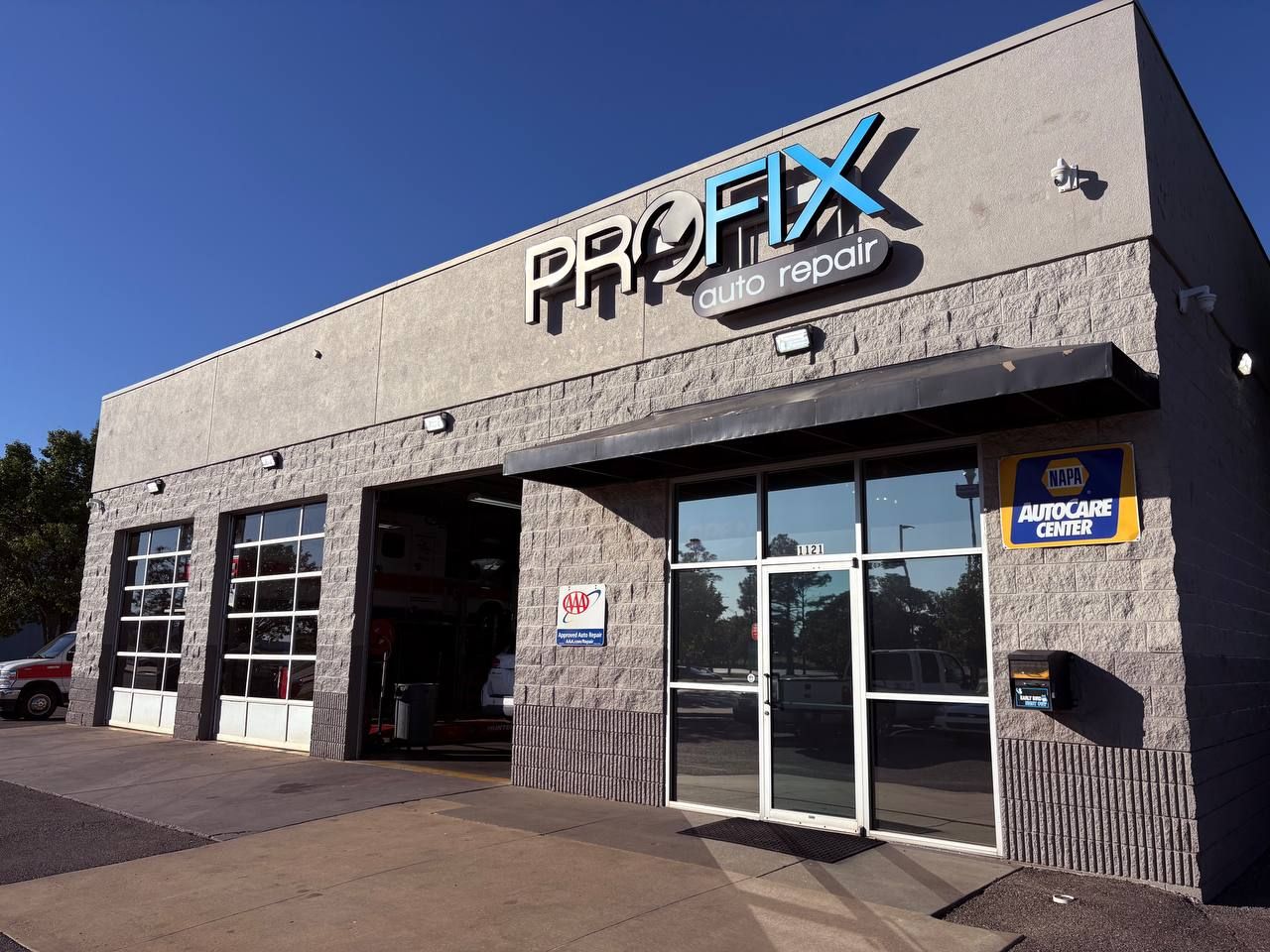
1121 Rambling Oaks Dr
Norman, OK 73072
📞 (405) 310-2279
🕒 Monday–Friday: 7:30 AM – 5:00 PM
Leon’s PROFIX Auto Repair – East
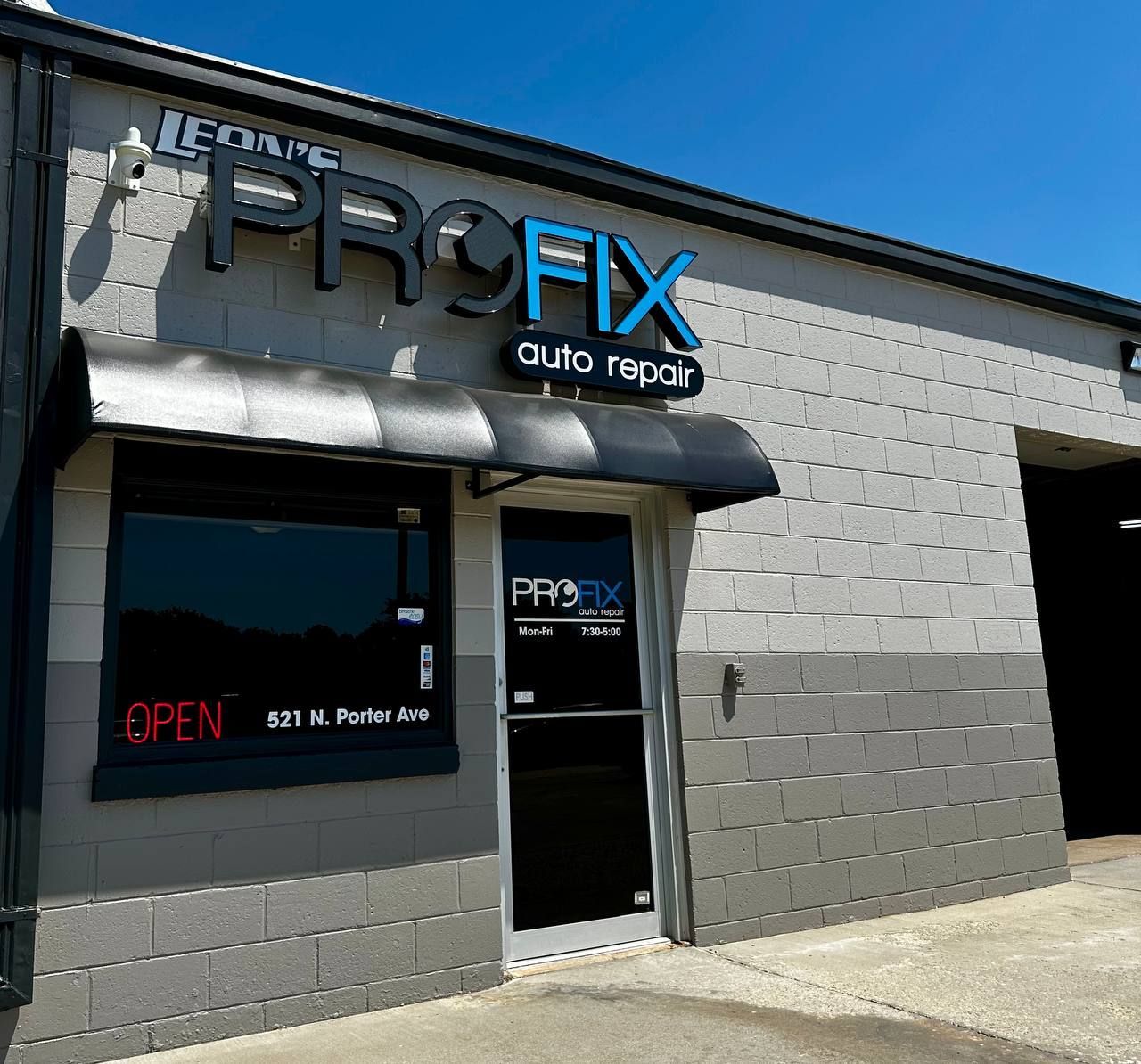
521 N Porter Ave
Norman, OK 73071
📞 (405) 364-2799
🕒 Monday–Friday: 7:30 AM – 5:00 PM
Email Us: