2018 Tesla Model 3 Passenger Restraint System: When a Seat Sensor Isn’t a Simple Replacement
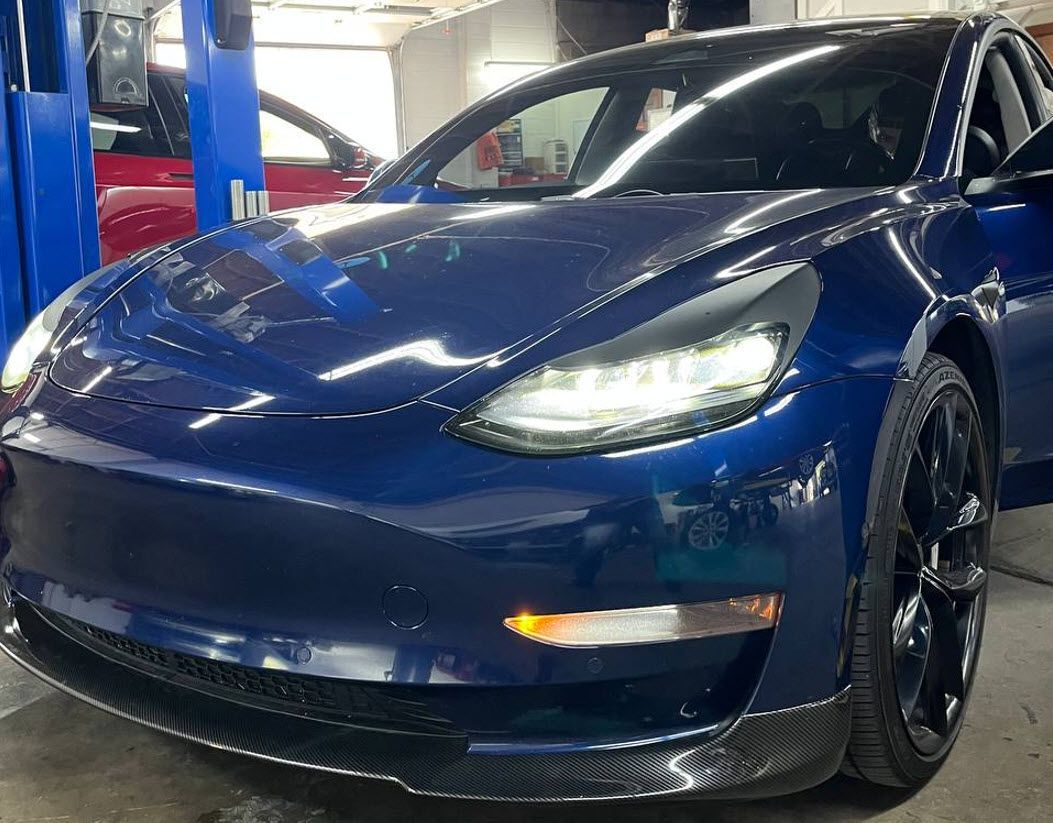
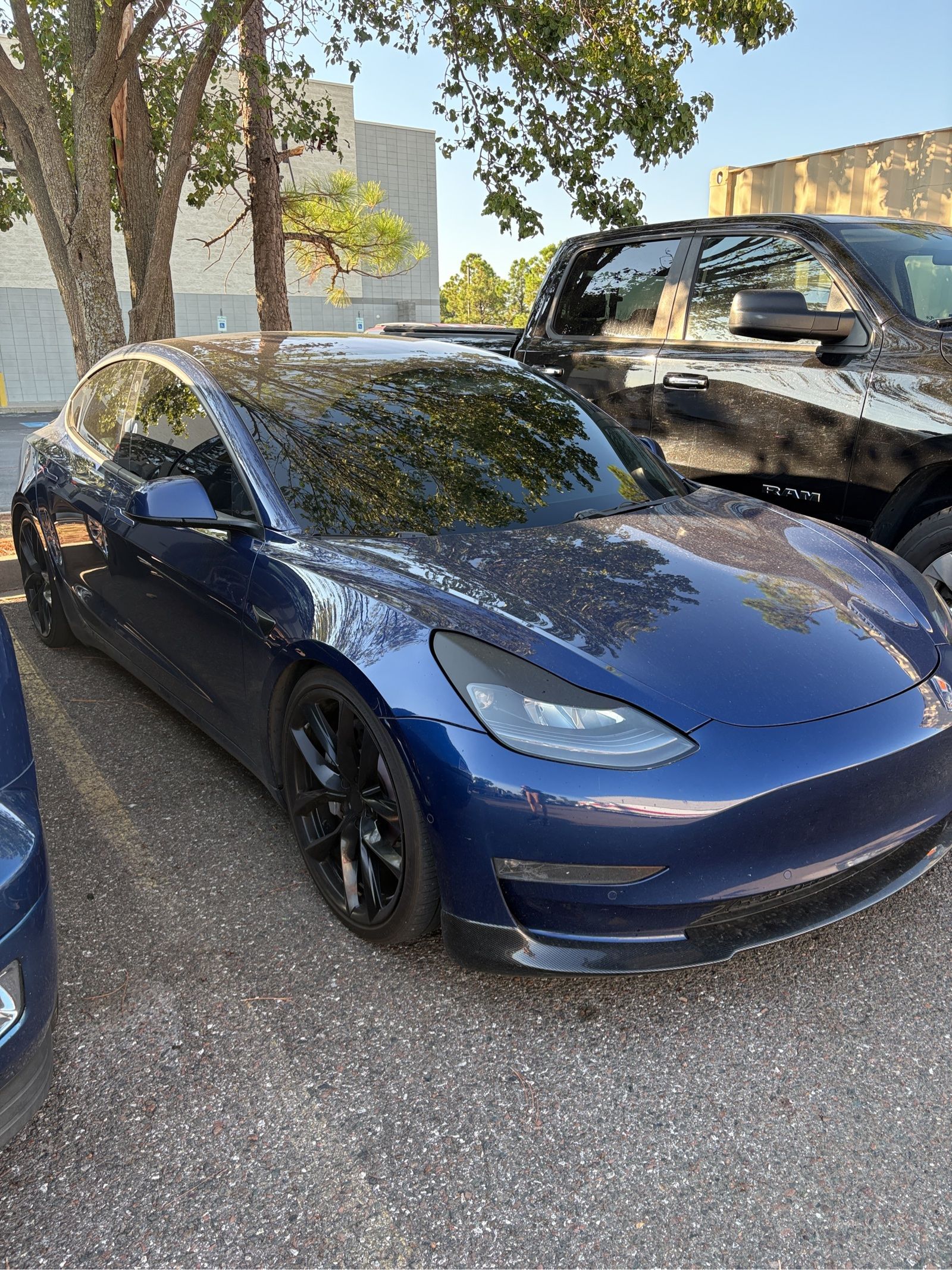
A 2018 Tesla Model 3 came to PROFIX Auto Repair in Norman with an RCM_a056 “Front passenger safety restraint system issue” warning. Diagnosis led us to a failed passenger-seat Occupant Classification System sensor, but this repair turned out to be a good example of how servicing a modern vehicle can involve much more than simply replacing the failed part.
Once the replacement sensor was installed, the required calibration could not be completed using the vehicle’s original system. At that point, the repair became a question of current Tesla service procedures, component compatibility, and making sure the passenger restraint system could be restored correctly and safely.
What Does the Passenger Seat Sensor Do?
Modern passenger restraint systems need to know more than whether someone has buckled a seat belt.
The front passenger seat uses an Occupant Classification System, or OCS, to help the vehicle determine whether the seat is occupied and how the passenger restraint system should respond.
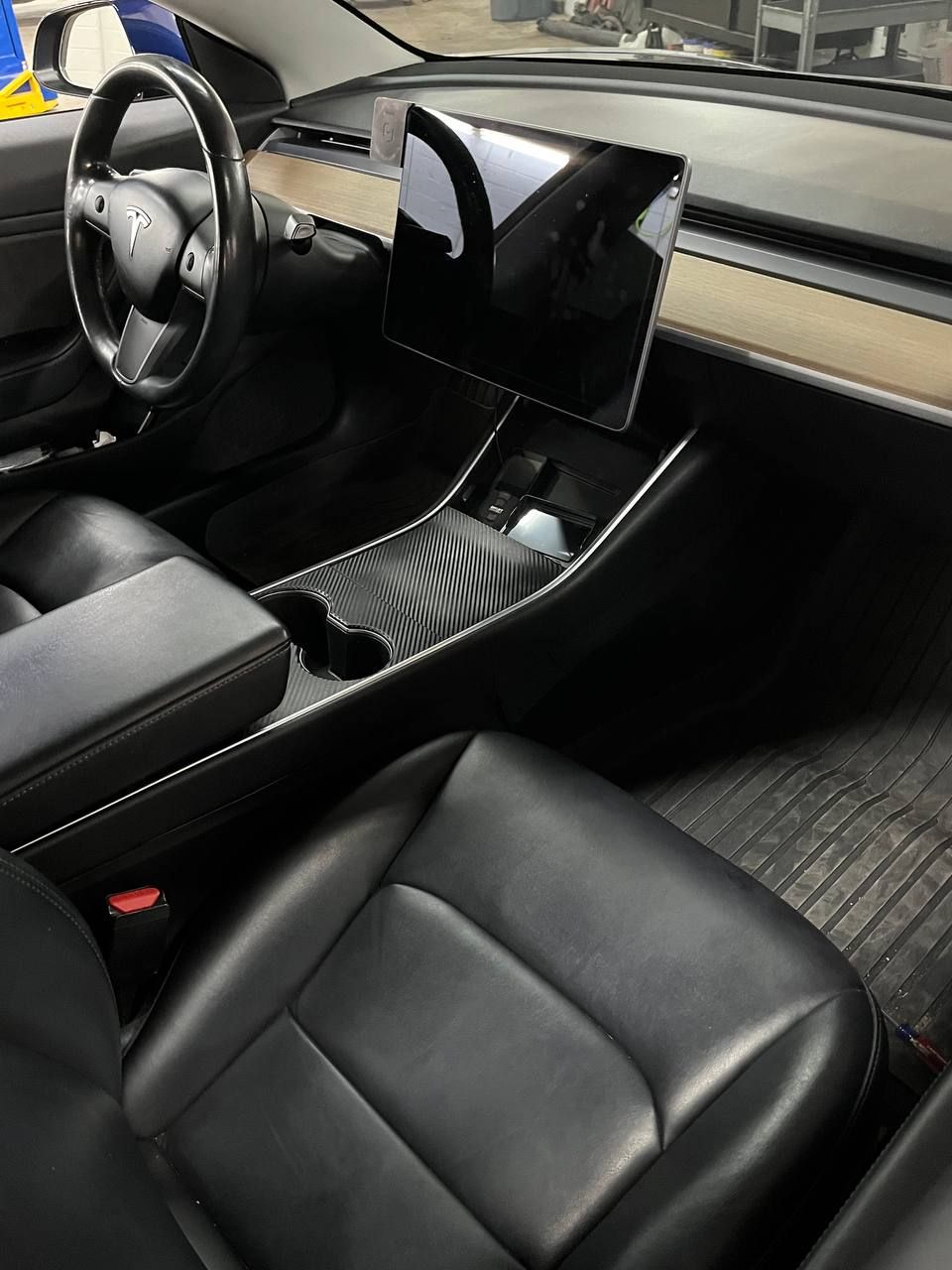
On this 2018 Model 3, the vehicle used an older sandwich-style OCS sensor built into the passenger seat.
When that system developed a fault, the vehicle displayed:
RCM_a056 — Front passenger safety restraint system issue — Service is required
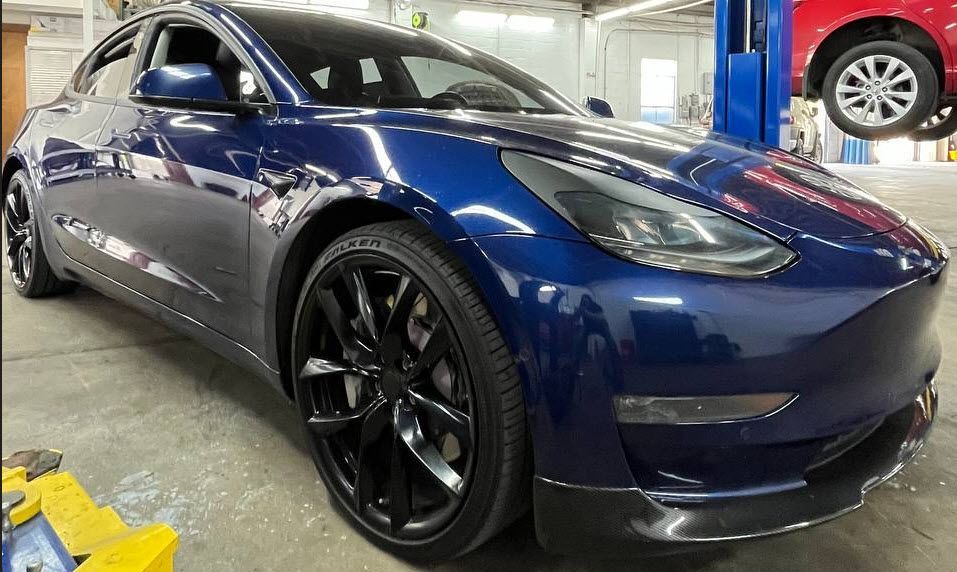
Because the OCS is part of the Supplemental Restraint System, this isn't simply a convenience feature or an annoying warning light. Proper operation and calibration matter.
Finding the Failed Occupancy Sensor
Testing led us to the passenger-seat occupancy sensor itself.
The customer elected to replace the failed sandwich-style sensor, so the passenger seat was disassembled and a replacement sensor was installed.
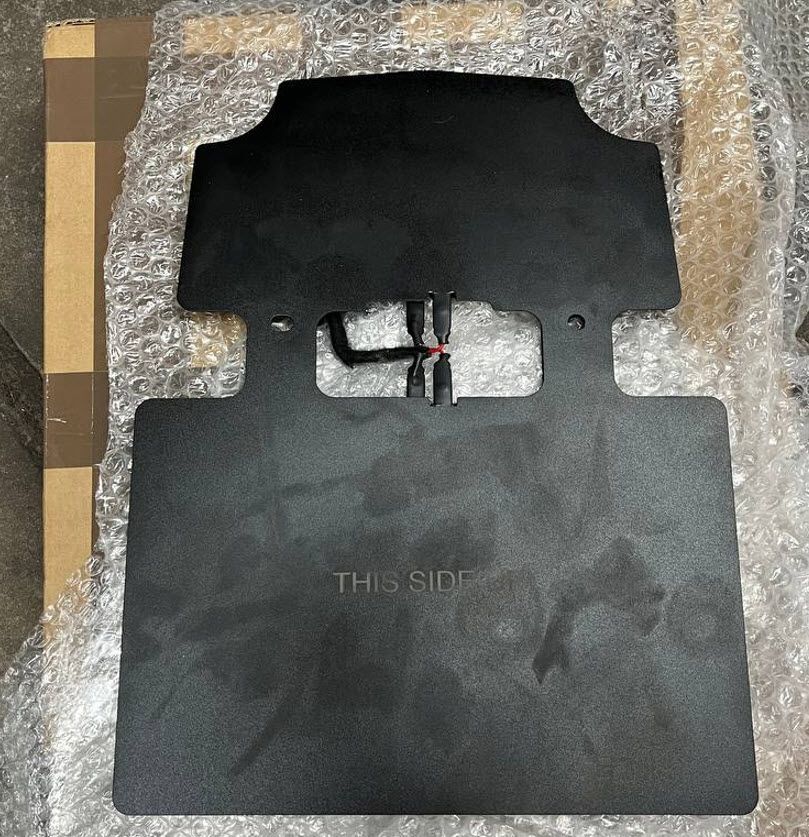
Physically installing the sensor, however, was only part of the repair.
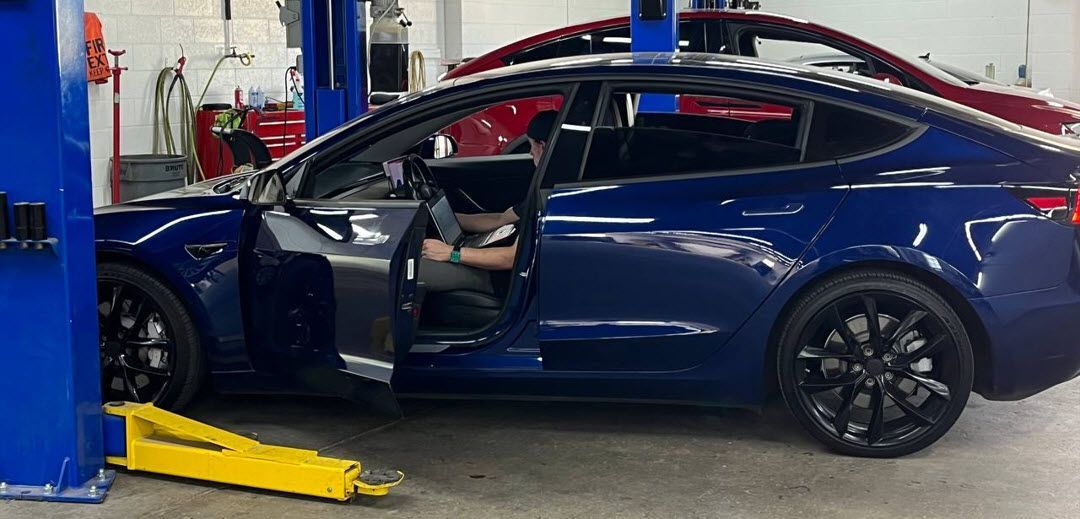
After replacing an occupant-classification component, the system must also be properly configured and calibrated. Installing a new part is not the same thing as having a completed repair.
That distinction became especially important on this Tesla.
The Repair Took an Unexpected Turn
After installing the replacement sandwich-style sensor, we attempted to perform the required reset and calibration.
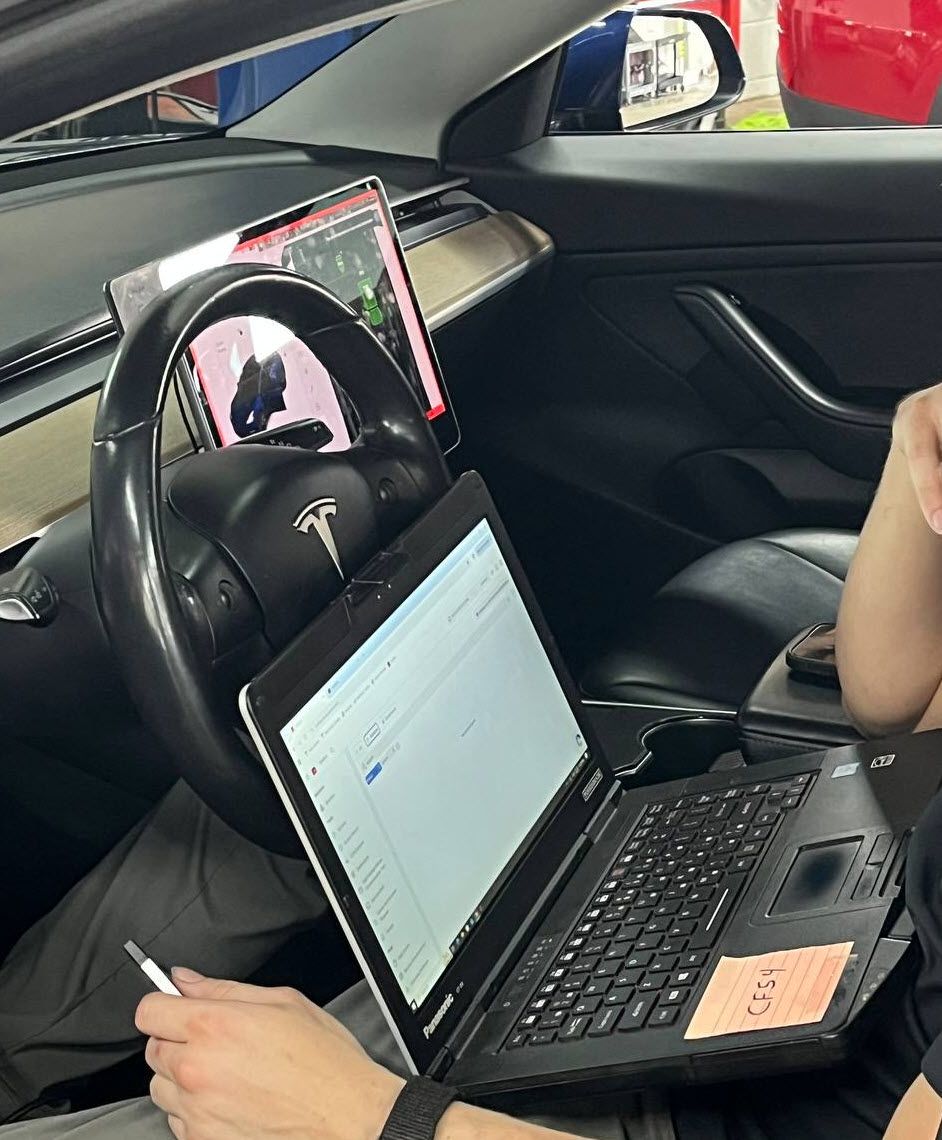
That's where the job changed.
The calibration procedure needed to complete a like-for-like replacement of the older sandwich-style system was no longer available to us through Tesla Toolbox. Continuing with the repair meant researching Tesla's current service information to determine the proper repair path rather than trying to work around a safety-system requirement.
The current procedure for this vehicle directs servicing toward Tesla's newer Seat Belt Reminder, or SBR, Occupant Classification System rather than continuing with the older sandwich-style configuration.
And there was another complication.
Why an Occupancy Sensor Can Lead to an Airbag Update
On certain earlier Model 3 configurations, upgrading from the sandwich-style OCS to the newer SBR system also affects compatibility with the front passenger airbag.
Tesla's service information distinguishes between the earlier full-suppression passenger airbag and the newer safety-vent passenger airbag. When an affected vehicle is converted to the newer SBR OCS, the compatible passenger-airbag configuration may need to be updated as part of the repair.
For this Model 3, properly completing the repair meant more than installing another occupancy sensor. The correct repair path called for updating the passenger-seat OCS system and the associated passenger-airbag configuration.
That turned what initially appeared to be a relatively straightforward seat-sensor repair into a considerably larger restraint-system retrofit.
Why We Stopped Instead of Calling It Fixed
This is where proper repair procedure matters.
We accurately identified the failed component and correctly installed the replacement sensor, but the system could not be calibrated in its original configuration.
With a restraint-system repair, “the new part is installed” is not the same thing as “the repair is complete.”
Rather than treating the absence of a simple calibration procedure as something to bypass, we stopped and determined what Tesla currently requires to restore the system properly.
The additional OCS and passenger-airbag updates were explained and quoted to the customer. The customer chose to postpone that larger repair and plans to address it at a later date.
Modern Repairs Aren’t Always Just About the Failed Part
This Model 3 is a good illustration of how automotive repair is changing.
The original failure itself wasn't mysterious: the passenger-seat occupancy sensor had failed.
What made the job complex was everything that came afterward.
Vehicles increasingly depend on components that must communicate with modules, software, configuration data, calibrations, and other safety systems. A replacement component can physically fit and function electrically while still requiring additional procedures before the vehicle considers the repair complete.
Sometimes the manufacturer also changes the approved service path as vehicles and replacement systems evolve.
That means the right repair today may be different from what would have been performed on the same vehicle several years ago.
Diagnosis Includes Knowing When There Is More to the Repair
At PROFIX Auto Repair, we believe diagnosis doesn't end the moment we find a bad part.
The goal is to understand what failed, what the correct repair requires, and what has to happen before we can honestly say the vehicle is fixed.
In this case, finding the failed passenger-seat sensor was only the beginning. Once we learned that the original system could no longer be completed through the expected calibration procedure, we researched the current Tesla service requirements and explained the complete repair path to the customer.
Sometimes that's the most important part of automotive diagnosis: knowing when a seemingly simple repair has become something more.
Need Help With a Tesla Warning or Restraint-System Concern?
If your Tesla has a warning message, airbag light, passenger restraint warning, or another concern that needs diagnosis, PROFIX Auto Repair can help determine what's actually happening before repairs are recommended.
PROFIX is Ready for the Way Automotive Repair Is Changing
Vehicles are changing, and repairing them correctly increasingly requires more than traditional mechanical knowledge. Modern diagnostics can involve manufacturer service information, specialized software, programming & calibrations, and an understanding of how multiple vehicle systems work together.
At PROFIX Auto Repair, we’ve invested in the tools, training, equipment, and information needed to keep up with that change. We service gasoline-powered vehicles, hybrids, and EVs, and our goal is the same with all of them: understand what is actually wrong, follow the correct repair procedure, and give our customers the information they need to make a good decision about their vehicle.
If your vehicle has a warning message, electrical issue, drivability concern, or another problem that needs proper diagnosis, you can book online at either of our Norman locations or send us a message through the contact form below.
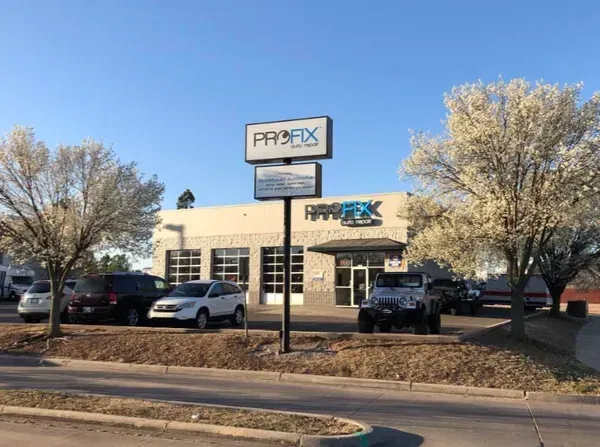
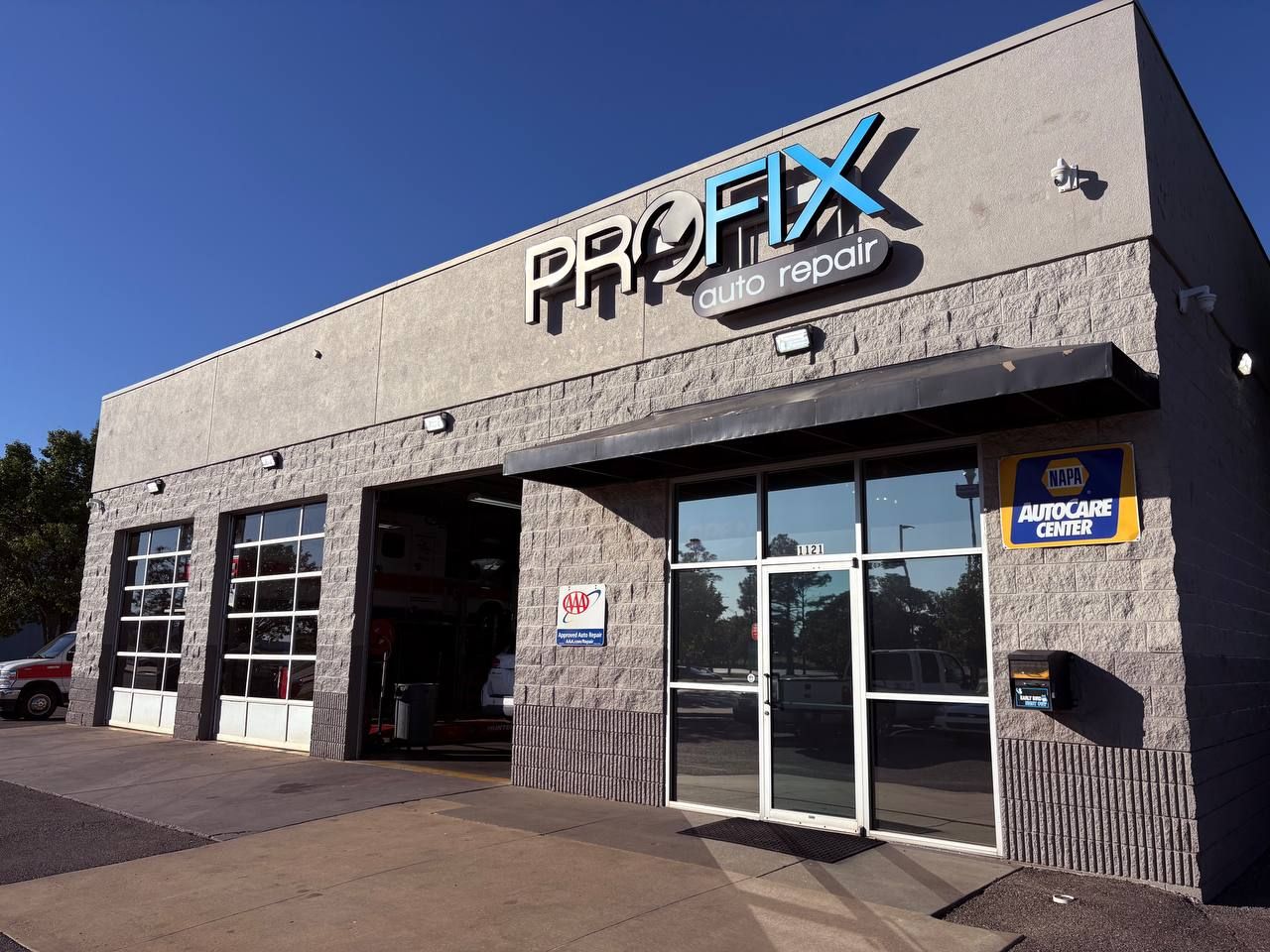
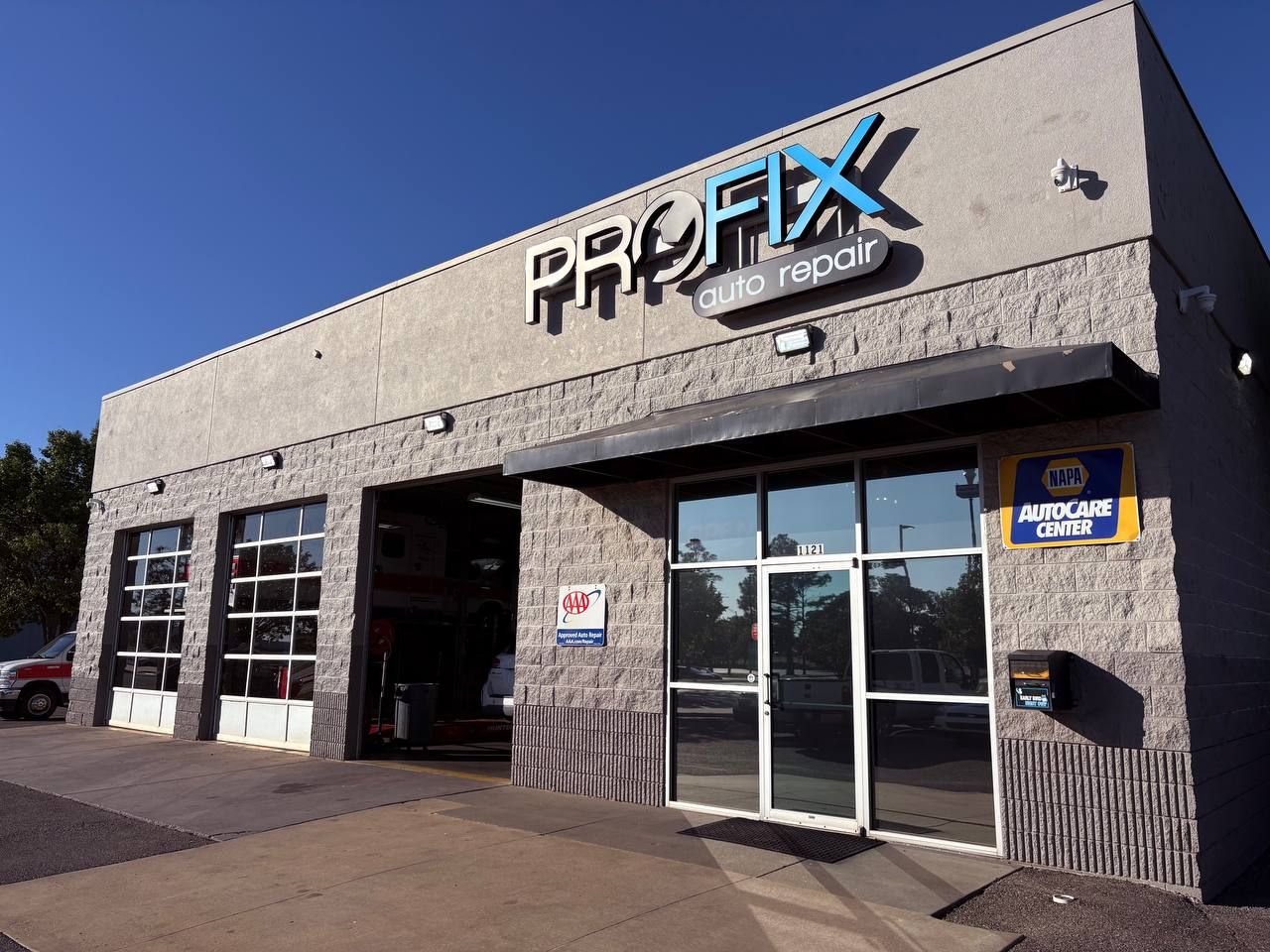
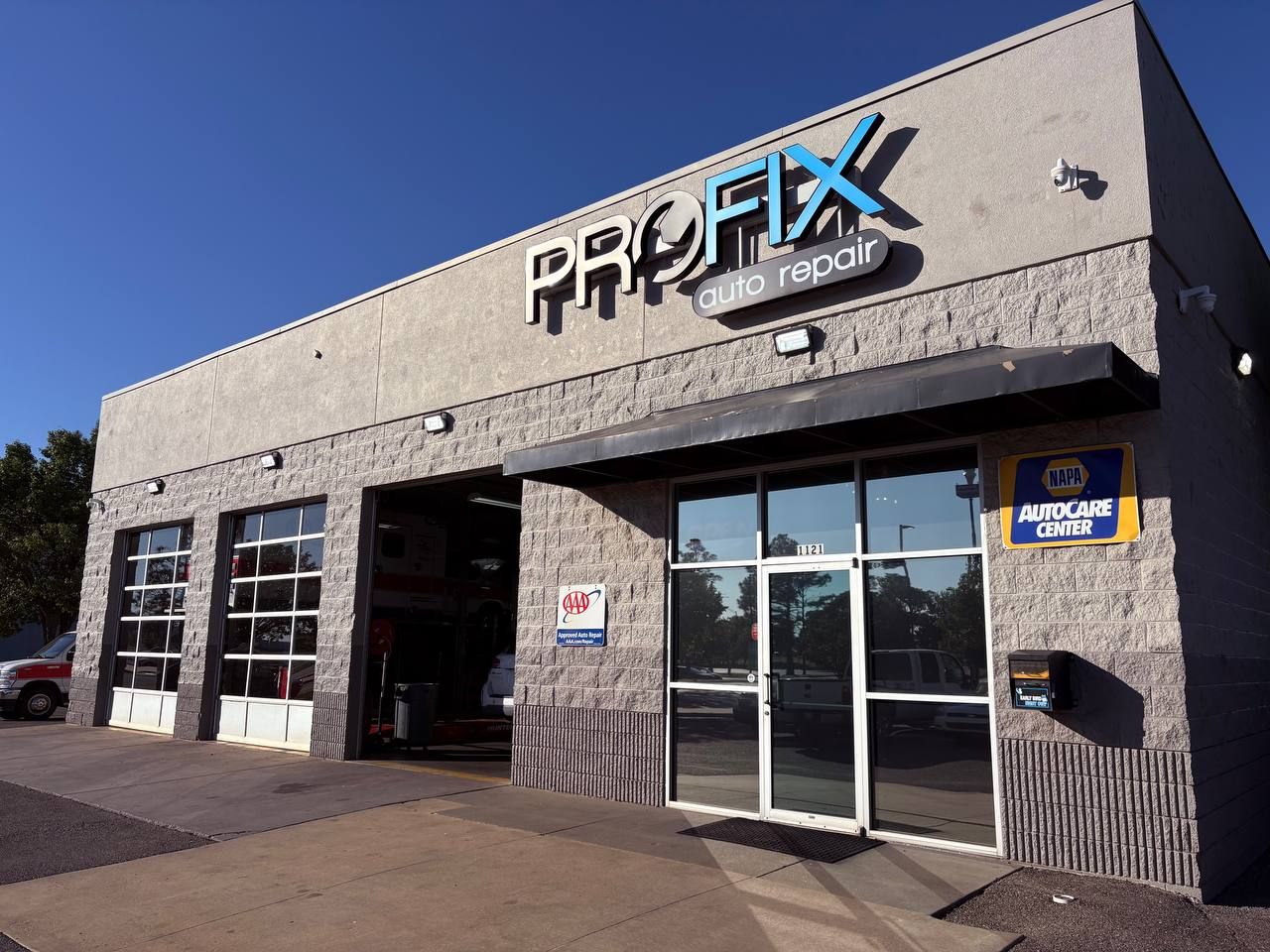
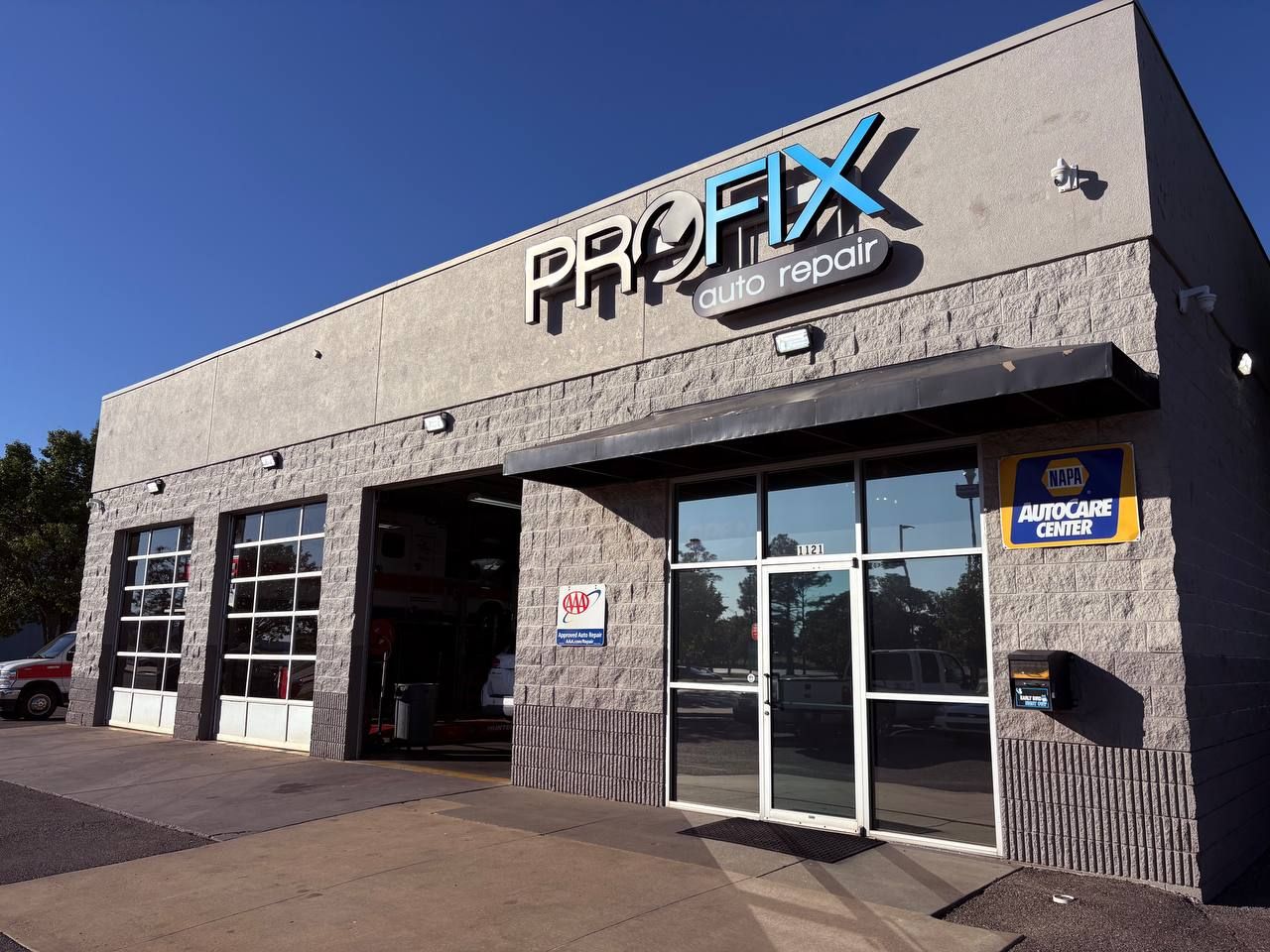
PROFIX Auto Repair – West
1121 Rambling Oaks Dr
Norman, OK 73072
📞 (405) 310-2279
🕒 Monday–Friday: 7:30 AM – 5:00 PM
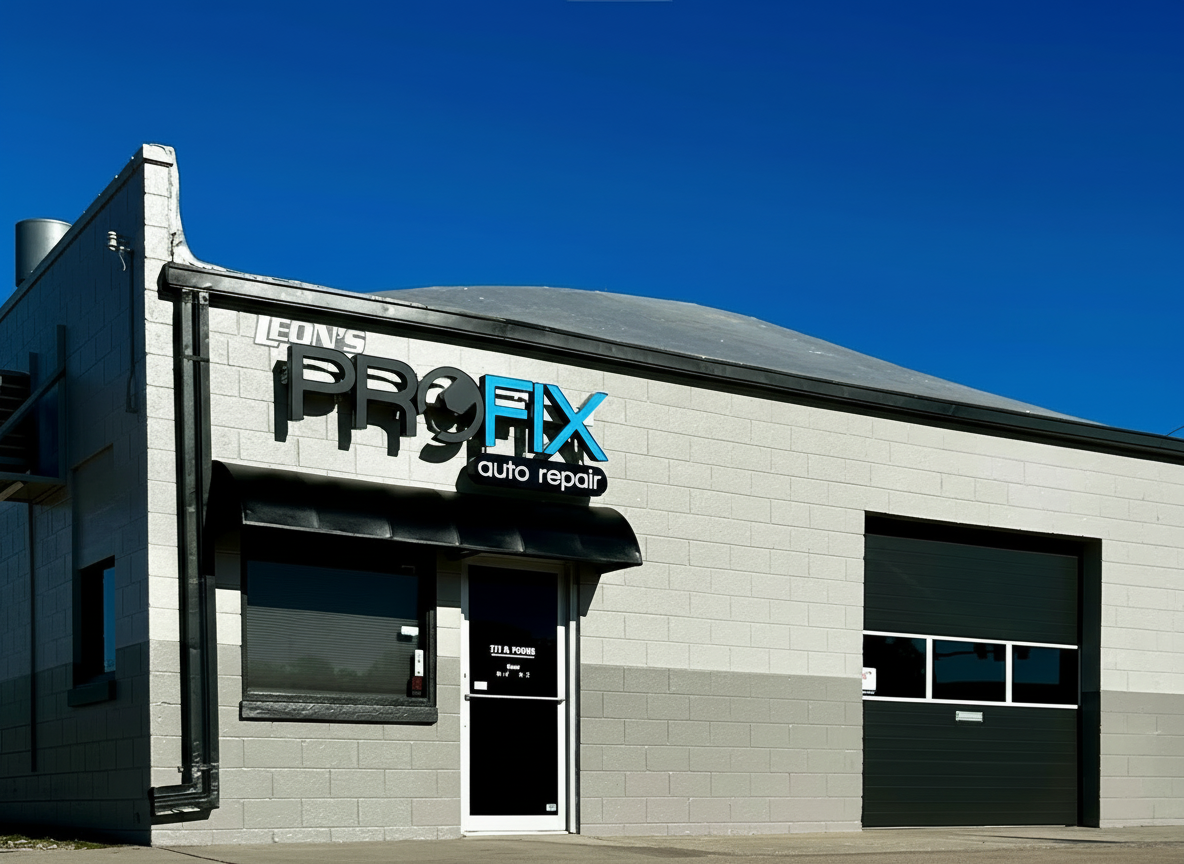
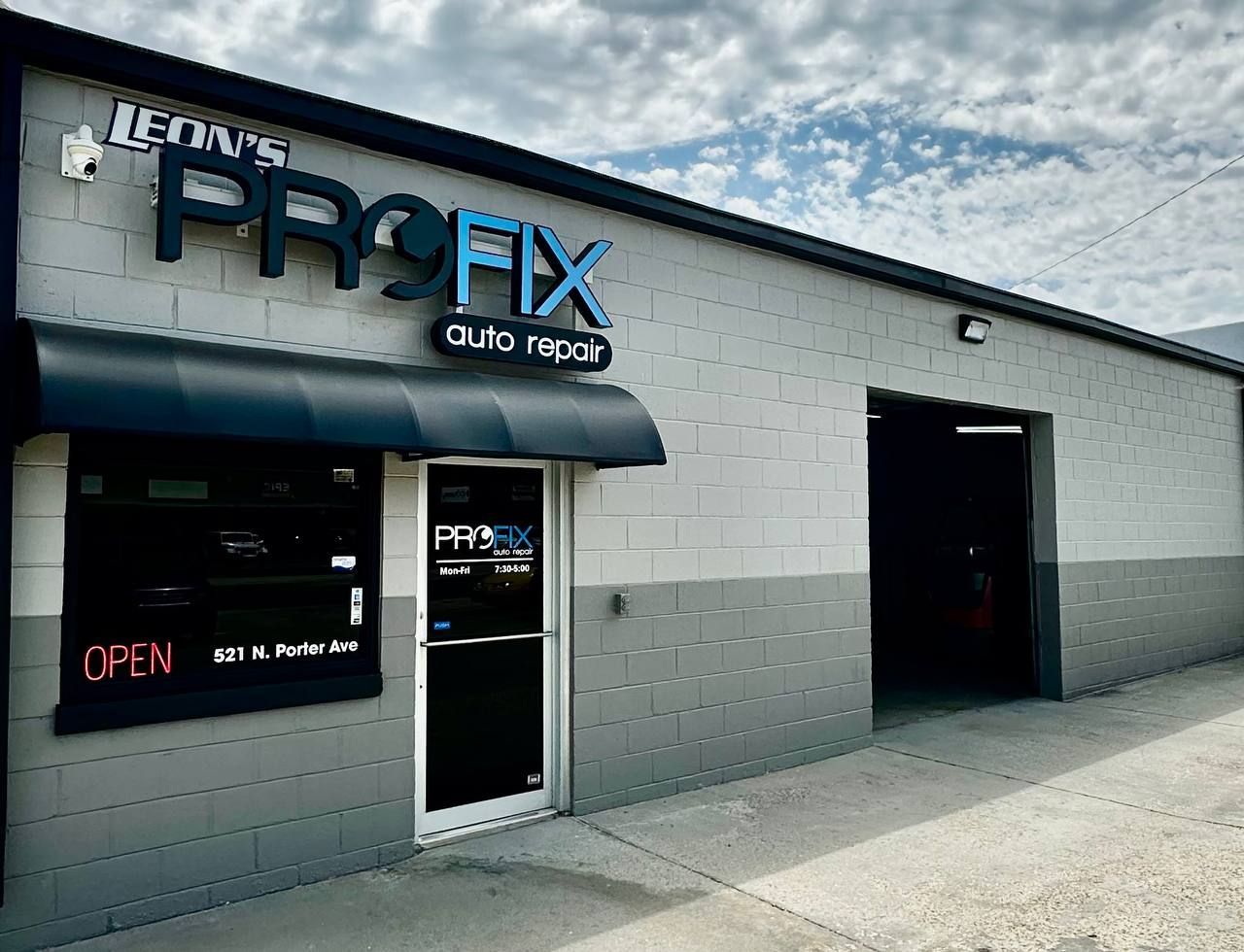
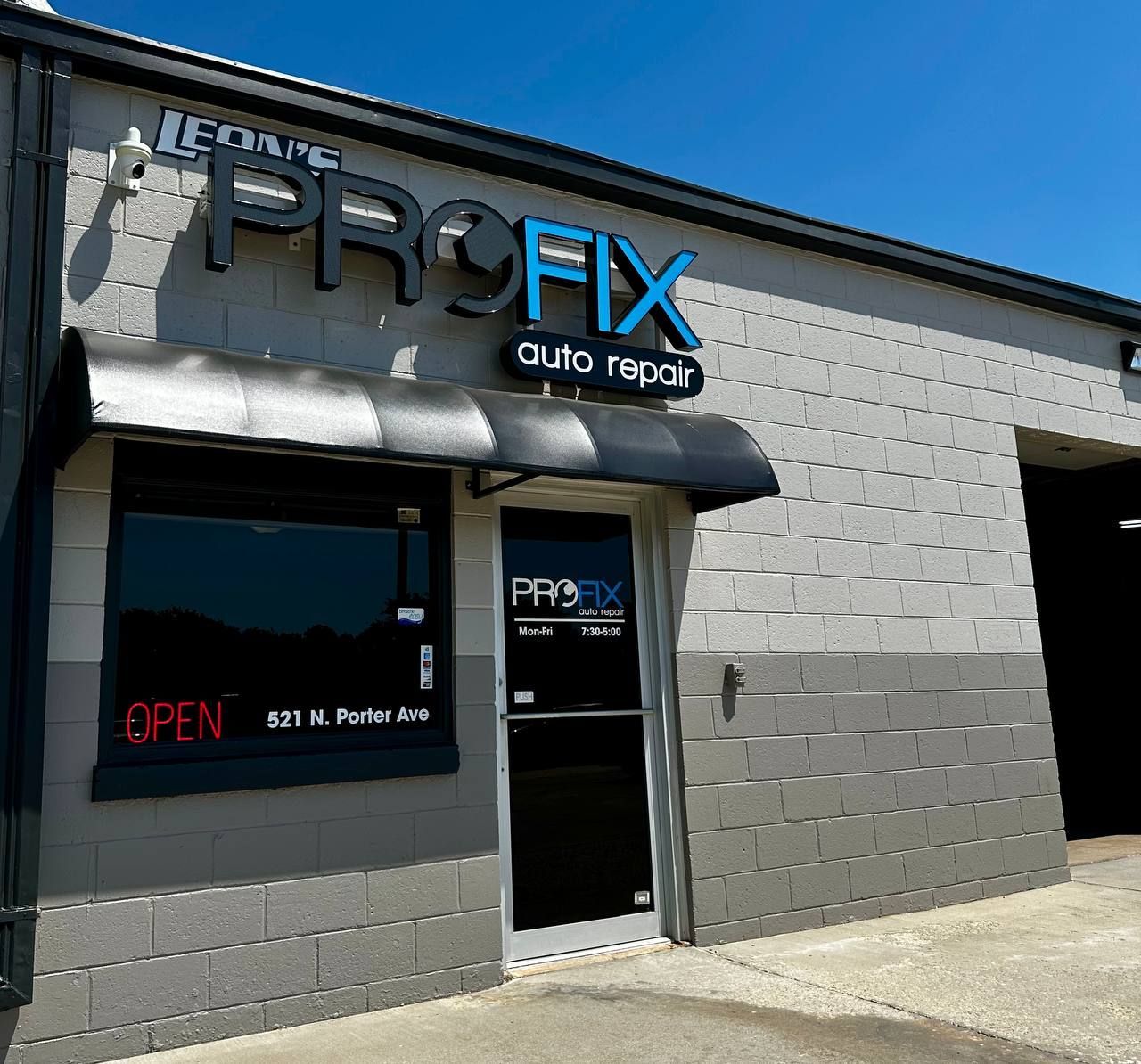
Leon’s PROFIX Auto Repair – East
521 N Porter Ave
Norman, OK 73071
📞 (405) 364-2799
🕒 Monday–Friday: 7:30 AM – 5:00 PM
Email Us: