Loose Wheel Damage on a 2007 Audi S4 Cabriolet: Hub, Rotor and Wheel Repair
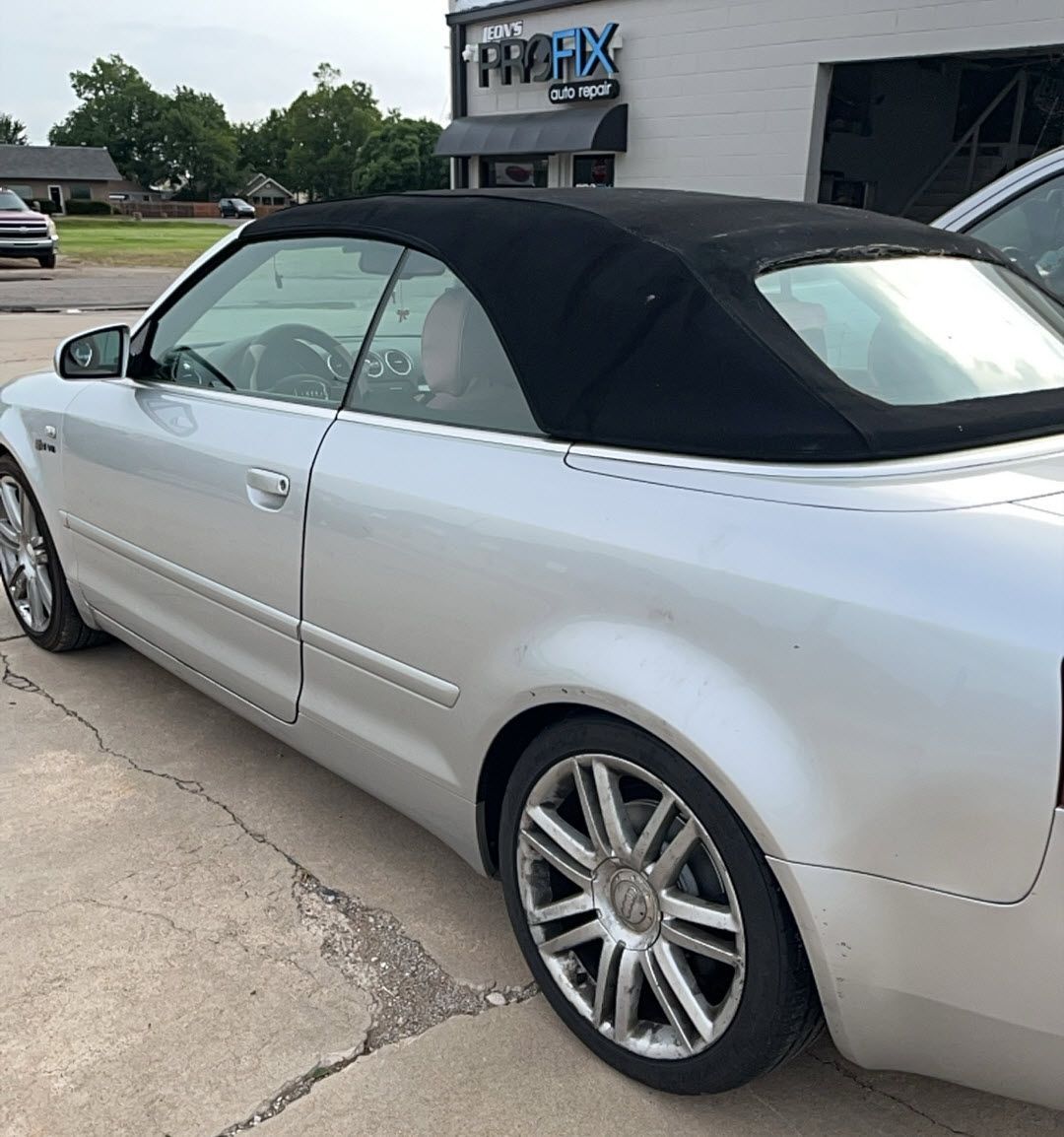
A 2007 Audi S4 Cabriolet was towed to Leon's PROFIX Auto Repair in Norman after the owner heard noise from the rear and suspected wheel fasteners had come loose. The rear brakes had recently been serviced elsewhere, and by the time the Audi reached us, the right-rear wheel, brake rotor, and hub/bearing assembly had all sustained damage.
A Rear-Wheel Noise That Needed a Closer Look
This 2007 Audi S4 Cabriolet came to us with a concerning problem at the right-rear wheel. The owner had noticed noise from the rear and believed some of the wheel fasteners may have come off, so the vehicle was brought to PROFIX Auto Repair for inspection.
The rear brake pads and rotors had recently been replaced outside our shop. We couldn't know exactly what had happened during that previous service just by looking at the aftermath, but once we inspected the right-rear wheel, it was clear that something had gone very wrong.
Only Two Wheel Bolts Were Still Securing the Wheel
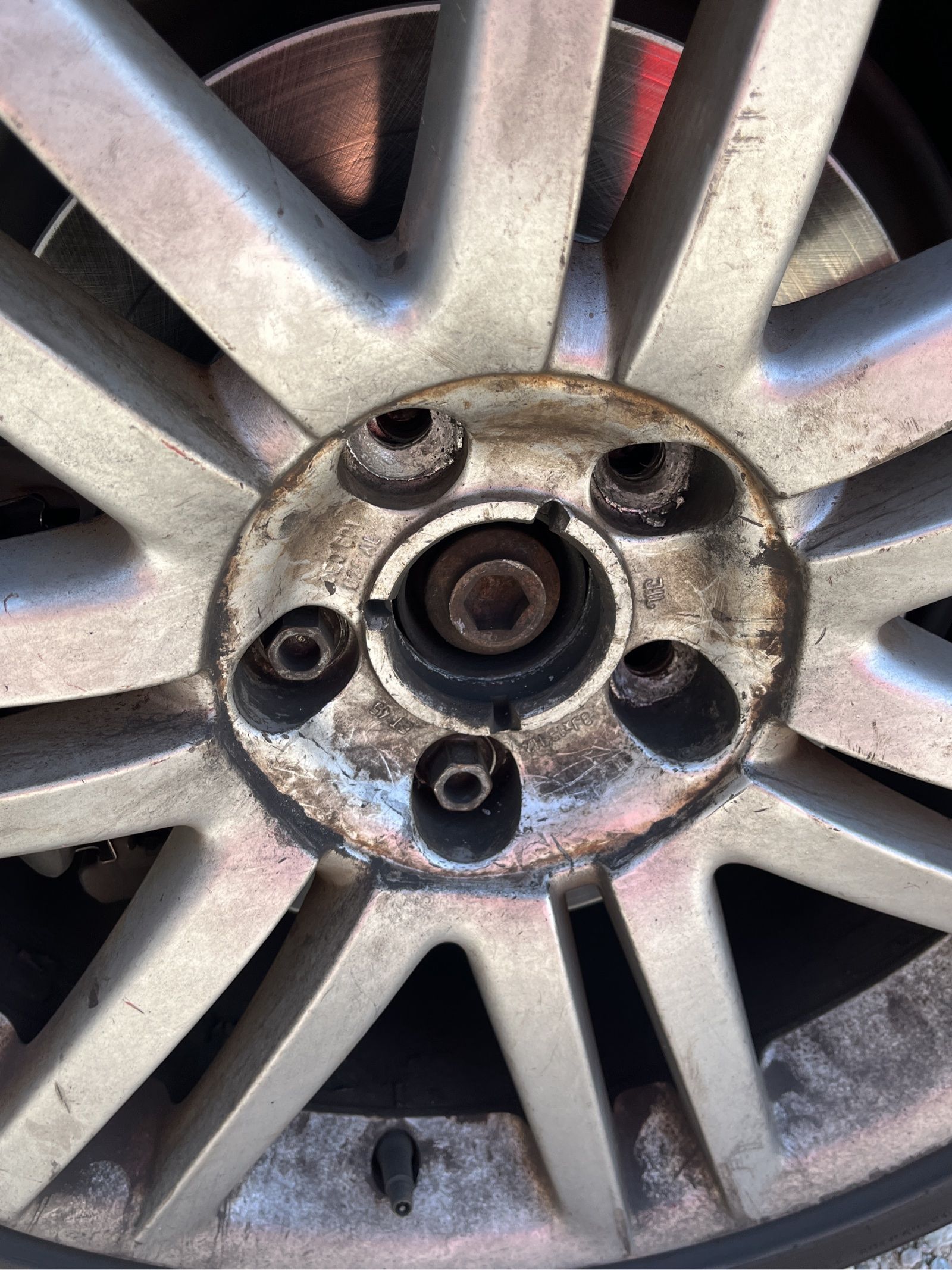
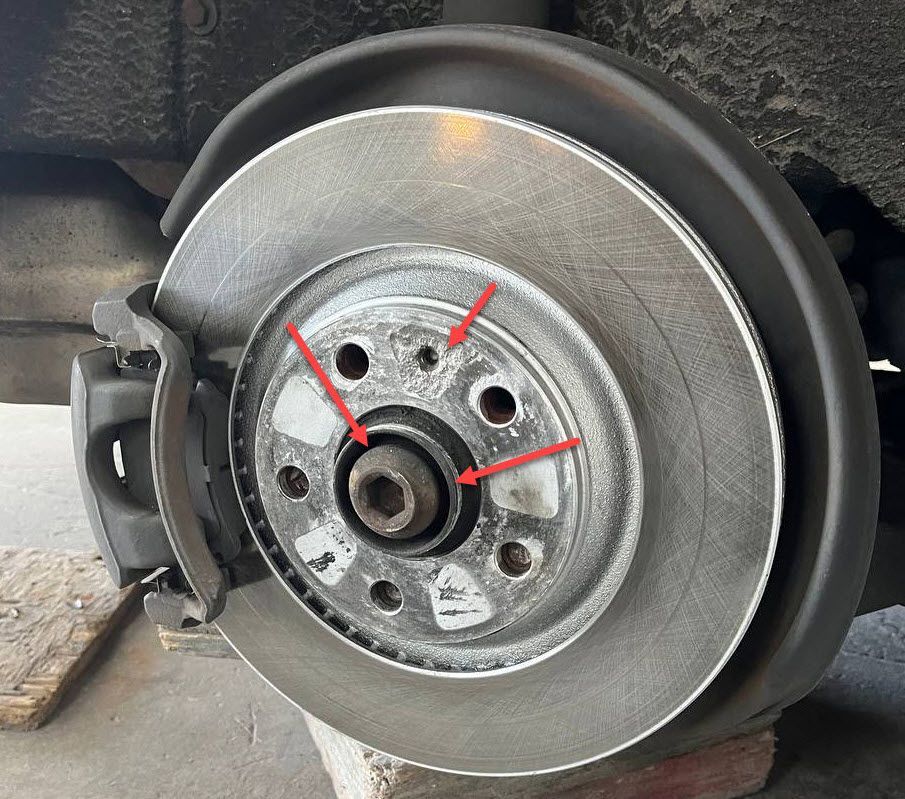
Once the right-rear wheel was inspected, we found that three of the five wheel bolts had broken, leaving only two fasteners holding the wheel in place.
Unlike many vehicles that use fixed wheel studs with separate lug nuts, this Audi uses wheel bolts that thread directly into the hub. The basic principle is the same: when properly installed and tightened, those fasteners create the clamping force that holds the wheel firmly against the hub.
The wheel should not be able to move independently of the hub.
In this case, however, the wheel had been moving around enough to damage not only the remaining fasteners, but the wheel itself.
What Happens When a Wheel Loses Its Clamping Force?
Wheel bolts aren't intended to repeatedly absorb the side-to-side impact of a wheel moving against them. Their job is to clamp the wheel tightly against the hub so the wheel, hub, and brake assembly effectively move together.
If that clamping force is lost, the wheel can begin shifting against the mounting surface as the vehicle travels down the road. Road forces, acceleration, braking, and cornering can then repeatedly hammer the wheel against the fasteners and surrounding mounting surfaces.
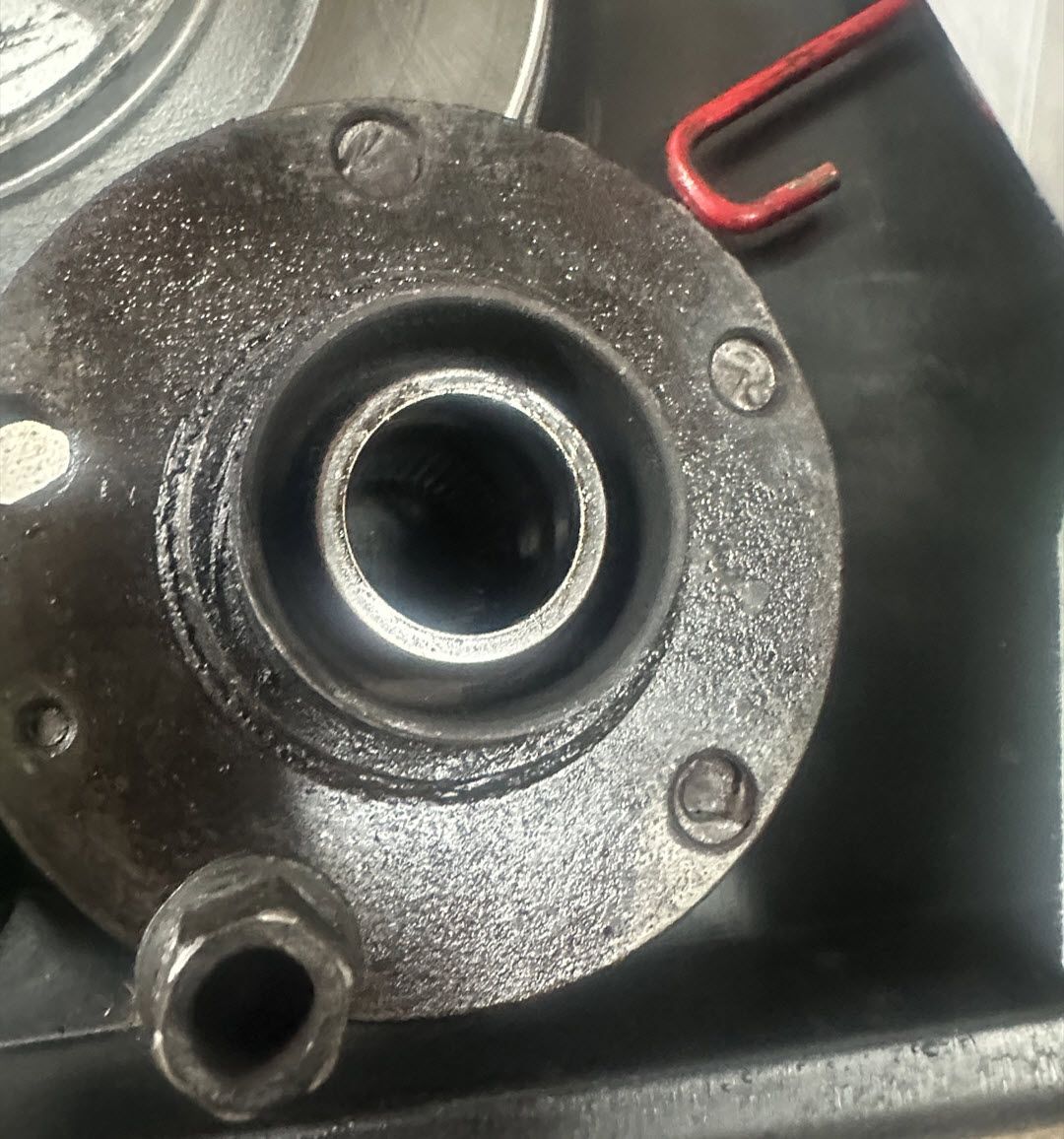
The damage around the wheel-bolt seats on this Audi shows just how much movement had occurred.
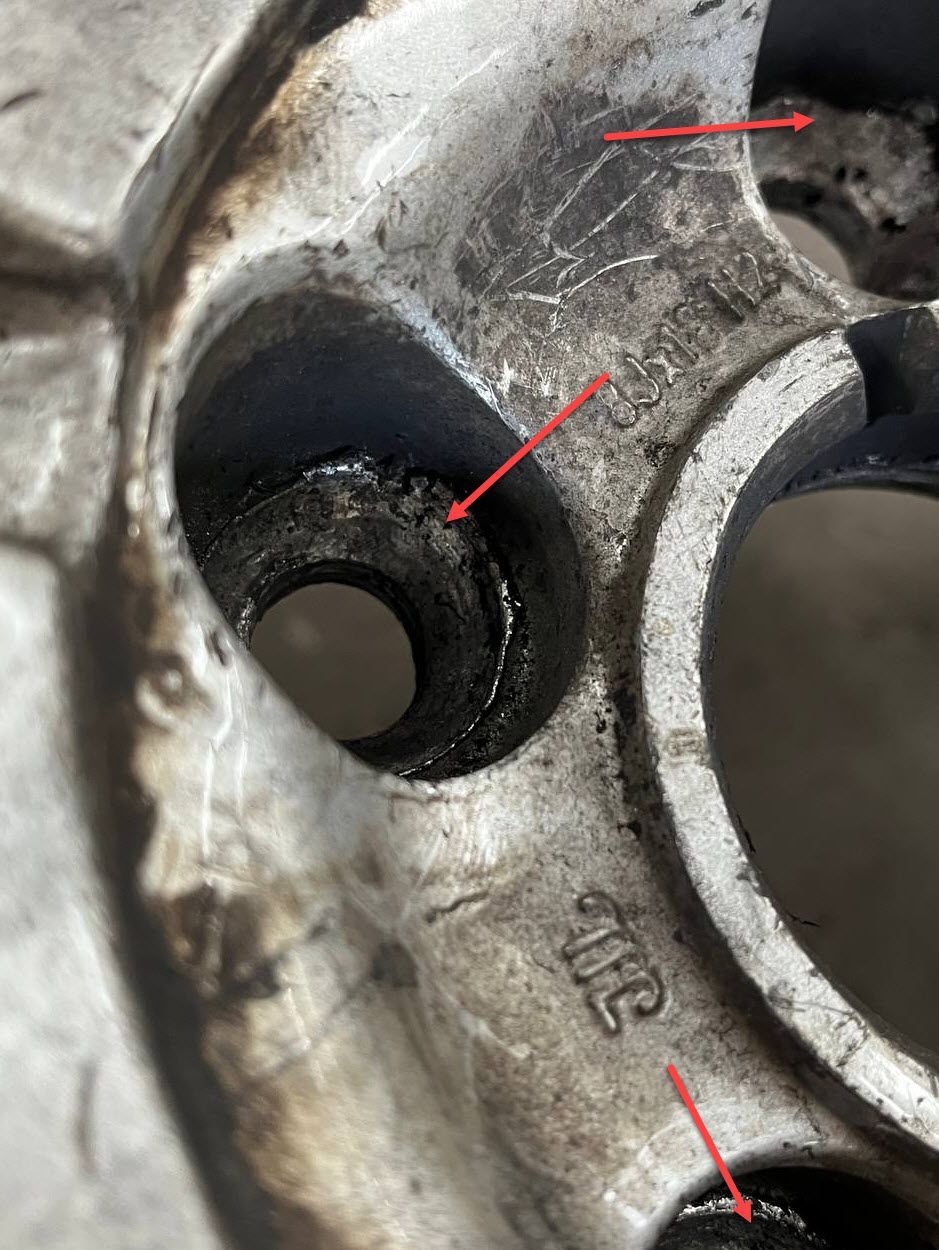
We can't determine from the resulting damage exactly what happened during the previous brake service. An improperly tightened fastener, improper seating, damaged hardware, or another installation issue could potentially allow a wheel to loosen.
What we can document is what happened afterward.
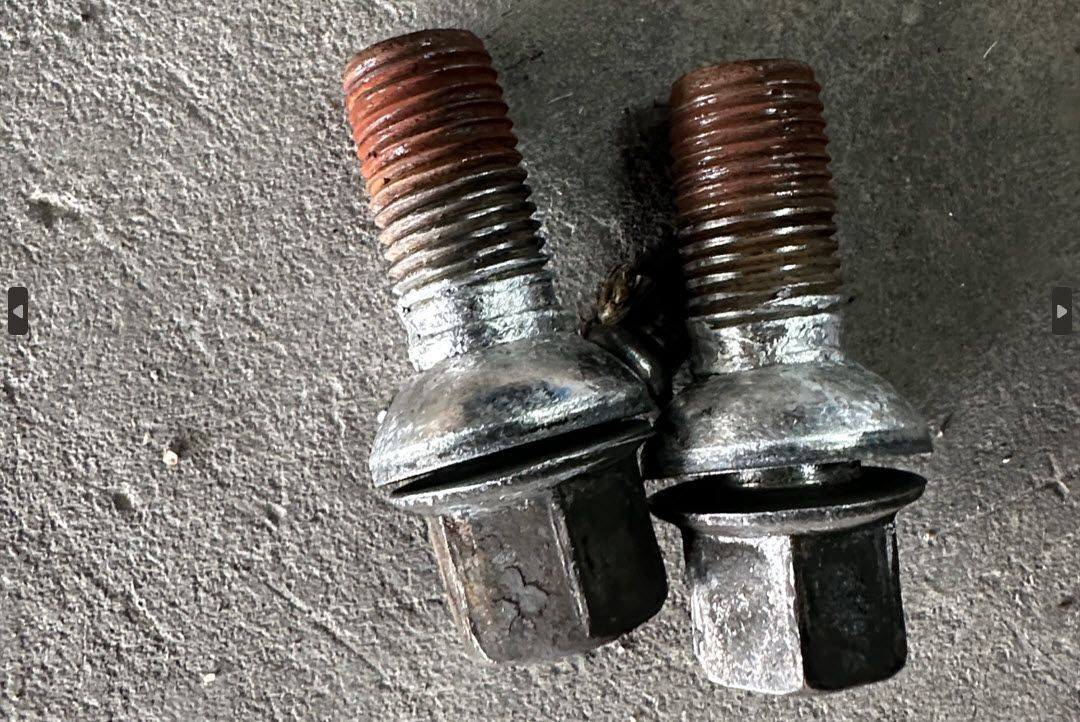
Several wheel bolts were badly damaged, and three ultimately failed.
The Damage Didn't Stop at the Wheel Bolts
Once a wheel has been moving loose, simply installing another set of wheel bolts isn't necessarily a repair.
The wheel itself had sustained substantial damage around its mounting and wheel-bolt areas. Those surfaces are important because they allow the wheel to seat correctly and remain securely clamped to the hub.
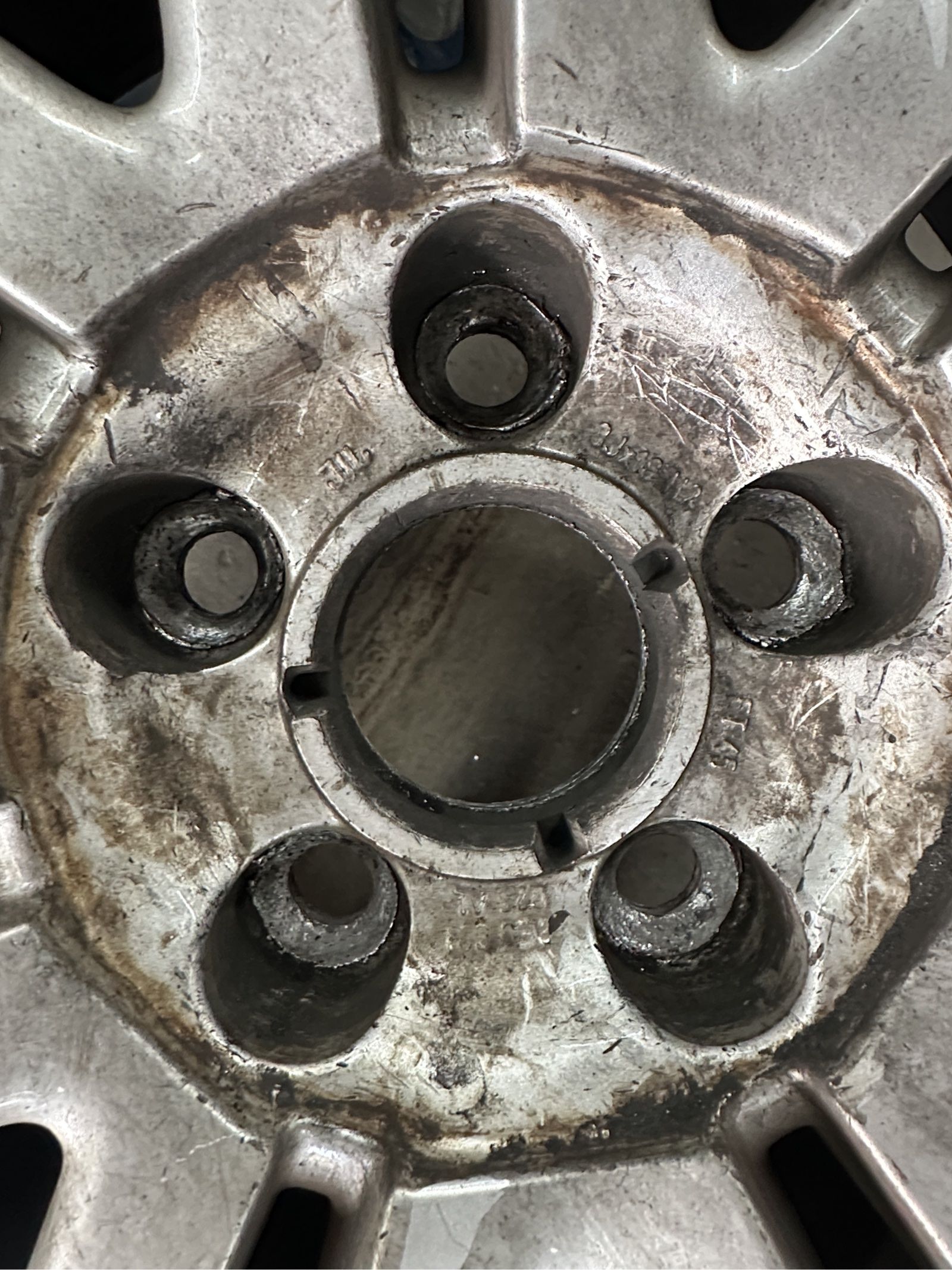
The movement also damaged components farther inward. Inspection found damage requiring replacement of the right-rear brake rotor and
wheel hub/bearing assembly.
Repairing the Right-Rear Wheel Assembly
At this point, the goal wasn't simply to replace what was visibly broken. Every component responsible for properly supporting, locating, and securing the right-rear wheel had to be evaluated.
The repair ultimately included a replacement right-rear hub and bearing assembly, five new wheel bolts, and a right-rear brake rotor.
Because the left-rear brake rotor had just recently been replaced and was still new and undamaged, there was no reason to replace it again. Only the damaged right-rear rotor needed replacement.
The wheel presented another problem.
The original right-rear wheel had been damaged badly enough that we did not consider it suitable for continued normal use. Unfortunately, the correct replacement wheel was unavailable/discontinued, and we were unable to locate a suitable new or used replacement.
Fortunately, this Audi has a full-size spare wheel. The spare wheel could be placed into service at the right-rear position, while the damaged original wheel could be retained in the spare location until a correct replacement becomes available.
Because that original wheel remains damaged, it is not recommended for normal driving and should only be considered for limited emergency use if absolutely necessary.
Finishing the Repair With a Four-Wheel Alignment
Replacing damaged parts is only part of completing a repair like this correctly.
After the hub/bearing work was completed, we performed a four-wheel alignment to verify proper wheel position and vehicle alignment following the repair.
That check was especially worthwhile considering what had happened before the Audi reached us. The right-rear wheel had been operating while loose and moving against the hub, and the hub/bearing assembly ultimately required replacement.
Verifying the alignment helps ensure the wheels are positioned correctly afterward and helps prevent abnormal tire wear or handling problems.
A Simple Brake Job Can Become a Much Larger Repair
Rear brake pad and rotor replacement is ordinarily a routine automotive repair.
But any service requiring wheel removal also makes proper wheel installation part of the repair.
Correct wheel seating, undamaged hardware, and proper fastener torque matter. If a wheel begins moving against the hub, what starts as a relatively simple problem can quickly damage considerably more expensive components.
On this Audi, the resulting damage involved the:
- right-rear wheel
- wheel bolts
- brake rotor
- wheel hub and bearing assembly
And because the correct replacement wheel was no longer readily available, even sourcing parts became part of the challenge.
The lesson isn't that every repair performed outside a professional shop is destined to fail. It's that some seemingly simple steps in automotive repair are safety-critical, and doing them correctly matters.
Hearing a New Noise After Brake or Tire Service?
If your vehicle develops a new clunking, knocking, vibration, or wheel-related noise after brake or tire work, it's worth having it inspected rather than assuming it will go away.
And if a wheel is visibly loose or missing fasteners, don't continue driving the vehicle — have it towed.
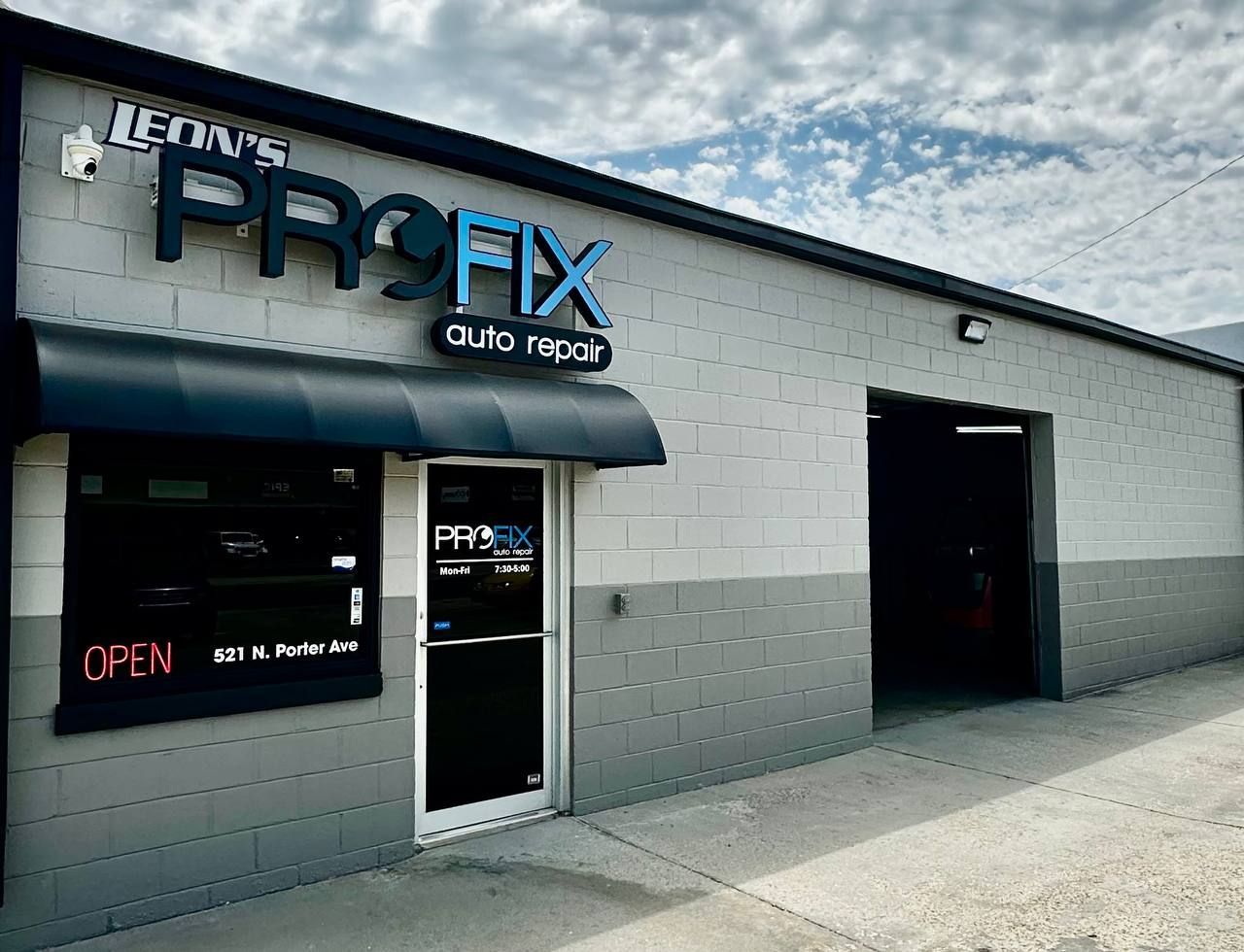
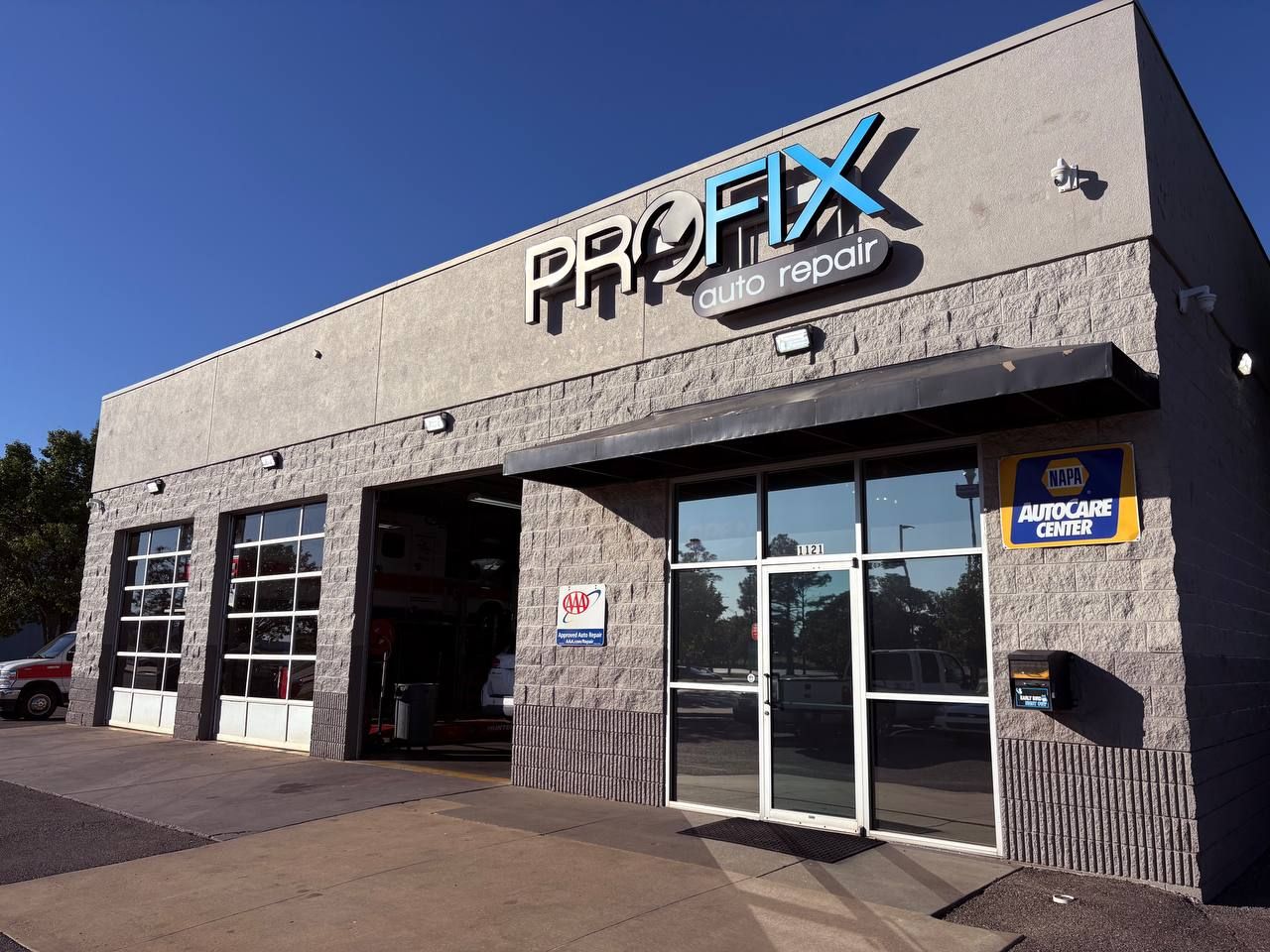
PROFIX Auto Repair can inspect brake, wheel, hub, bearing, suspension, and alignment concerns at either of our Norman locations. You can book online below or send us a message through the contact form.
PROFIX Auto Repair – West
1121 Rambling Oaks Dr
Norman, OK 73072
📞 (405) 310-2279
🕒 Monday–Friday: 7:30 AM – 5:00 PM
Leon’s PROFIX Auto Repair – East
521 N Porter Ave
Norman, OK 73071
📞 (405) 364-2799
🕒 Monday–Friday: 7:30 AM – 5:00 PM
Email Us: