2017 BMW X3 Lights That Wouldn’t Turn Off: Diagnosing a LIN Bus Wiring Nightmare (and Keeping a High-Mileage X3 Running Strong)
When a customer’s dash lights refuse to go out—even with the switch in the off position—it’s more than an annoyance. On a 2017 BMW X3 sDrive28i with over 180,000 miles, it pointed to a deeper communication problem in the LIN bus network. That’s exactly what this BMW into Profix Auto Repair in Norman.
We see these intermittent electrical ghosts on European cars regularly at PROFIX Auto Repair in Norman, OK. They rarely have a single smoking-gun cause. This one involved corroded connectors, a damaged LIN wire, a short in the rear bumper area, and a parking-assist module that had developed an internal short. Here’s how we sorted it out, what else we found, and why the car left running clean and quieter than when it arrived.
The Starting Complaint
The lights would not shut off. Pulling codes revealed LIN bus communication faults. An actuation test confirmed the light switch itself worked, but live data showed certain lights remaining commanded on even when the switch was off. Power and ground were present at the switch connector, yet the LIN signal was weak or missing. That pointed us toward the driver-assistance wiring and related modules.
Tracing the Faults
Accessing the light switch area revealed corrosion and broken wires at the connector. One of the LIN wires had a clean break with a short that had already burned itself open. We repaired the damaged section, secured the wiring, and verified the short was gone. The lights went out.
A short time later the same symptom returned. Further inspection of the passenger-side rear bumper area showed additional wiring damage—likely from a previous impact—and a shield that needed proper securing. After that repair, the lights came back on again. Live testing isolated the driver parking-assist module itself as the new source of the short. With the module disconnected, the lights stayed off and the rest of the system behaved normally. The customer was given the option to replace the module later for a complete permanent fix; for now the car is usable without the faulty circuit pulling the network down.
This kind of layered electrical diagnosis is common on older BMWs.
LIN bus networks are efficient when everything is clean and dry. Once corrosion, broken strands, or a shorted module enter the picture, one fault can cascade into multiple codes and strange light behavior. Throwing parts at it rarely works. Methodical testing—codes, live data, power/ground checks, and visual inspection of the harnesses—saves time and money.
Here's what our customer had to say about our service:
Maintenance That Made Sense at 180k Miles
While the car was in for the electrical work we performed a full 27-point inspection and addressed the items that actually needed attention:
- Full synthetic oil change with the correct 0W-20 and a quality filter.
- Engine air filter and cabin filter replacement. Both were dirty.
- BG brake fluid flush. The fluid tested acceptable on a strip, but BMW’s interval is two years or 30,000 miles and the last service was overdue. Fresh fluid protects the ABS and electronic parking-brake components that are expensive when they fail.
Brake pads and rotors still had usable life (fronts around 25 %, rears around 40 %), and the tires were uneven but not immediate safety hazards. We noted everything so the customer could plan the next services without surprises.
The Result
The dash lights now behave correctly. The oil, filters, and brake fluid are fresh. The car is back on the road without the constant drain of a shorted circuit. High-mileage BMWs like this one can keep delivering reliable service when the electrical gremlins are actually fixed instead of temporarily silenced. And our customer can prepare for next maintenance.
Why This Kind of Work Matters
Electrical diagnosis on modern BMWs is not guesswork. It requires the right scan tools, wiring diagrams, and the patience to follow the signal path instead of replacing the most expensive module first. The same philosophy applies to the maintenance side: change the fluids and filters that actually protect the car, document the rest, and let the owner decide the next steps.
This particular customer has been bringing vehicles to us for years.
That’s the standard we hold ourselves to—whether the job is a straightforward oil change or a multi-point LIN bus wiring repair on a 180,000-mile X3.
If your BMW (or any European vehicle) is showing strange light behavior, intermittent warnings, or just needs honest maintenance at higher mileage, we’re here at PROFIX Auto Repair in Norman. Bring it in. We’ll find the real problem, fix what needs fixing, and tell you straight about everything else.
Give us a Call or Book Online at Either of Our Two Convenient Locations Below
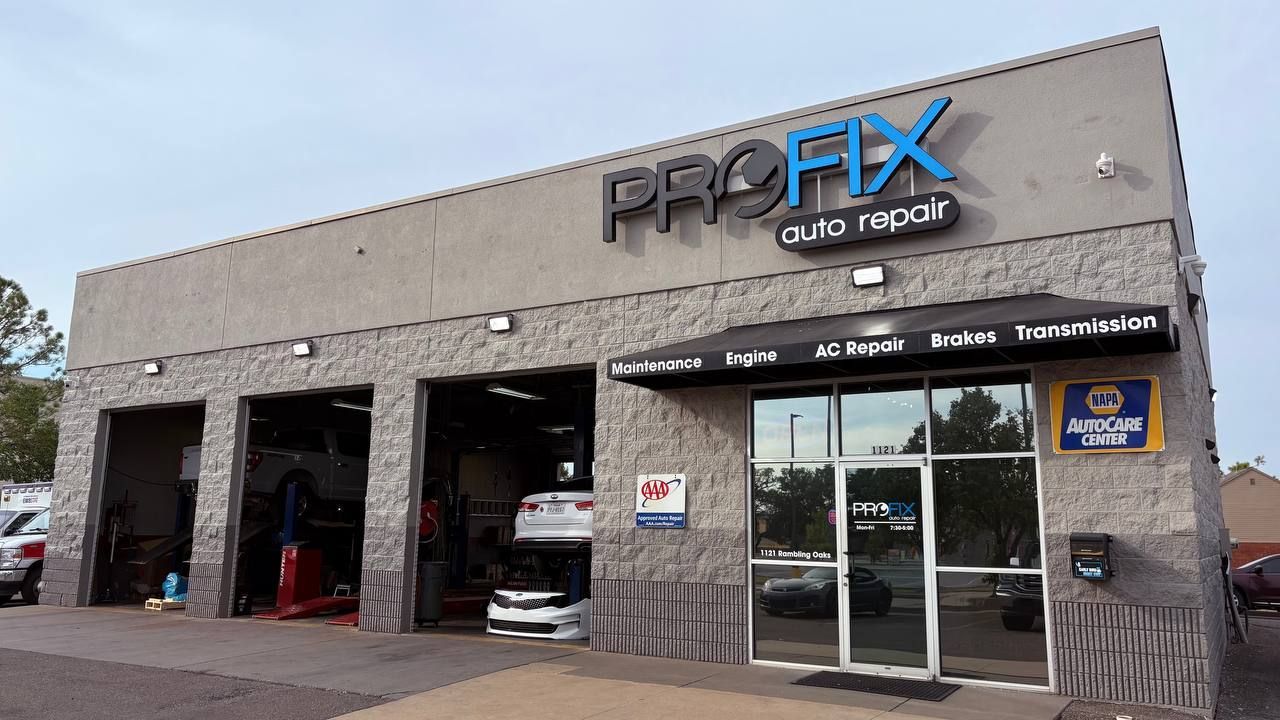
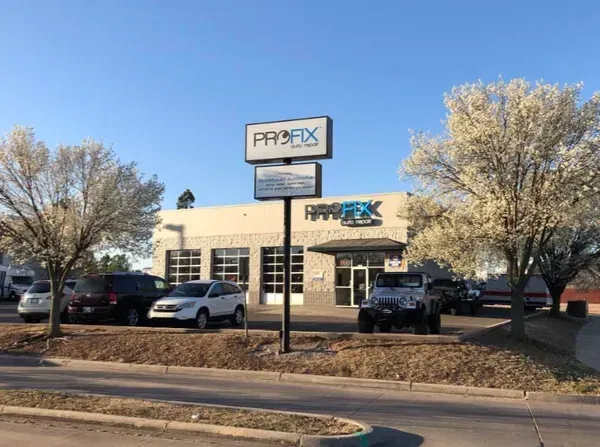
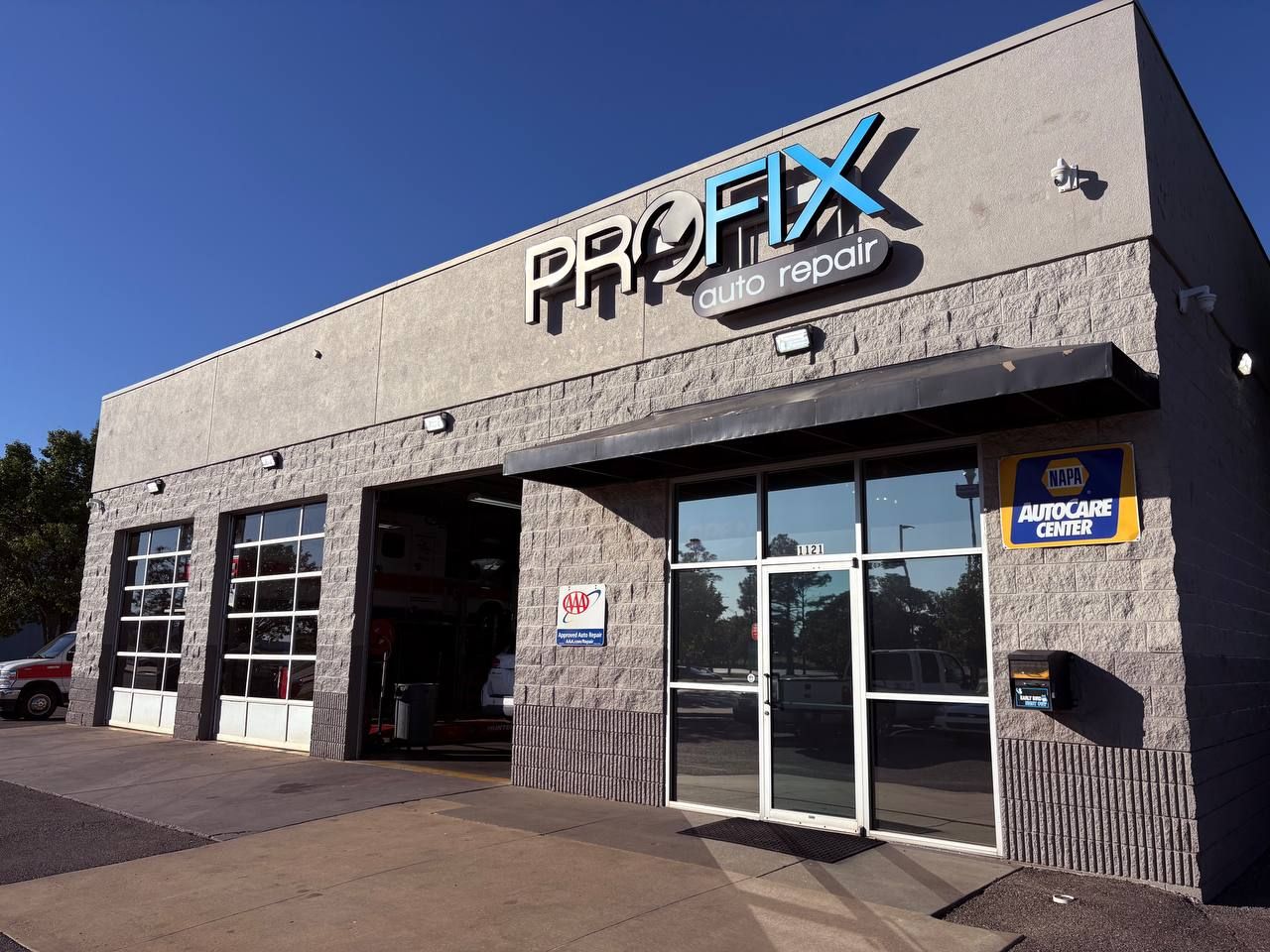
PROFIX Auto Repair – West
1121 Rambling Oaks Dr
Norman, OK 73072
📞 (405) 310-2279
🕒 Monday–Friday: 7:30 AM – 5:00 PM
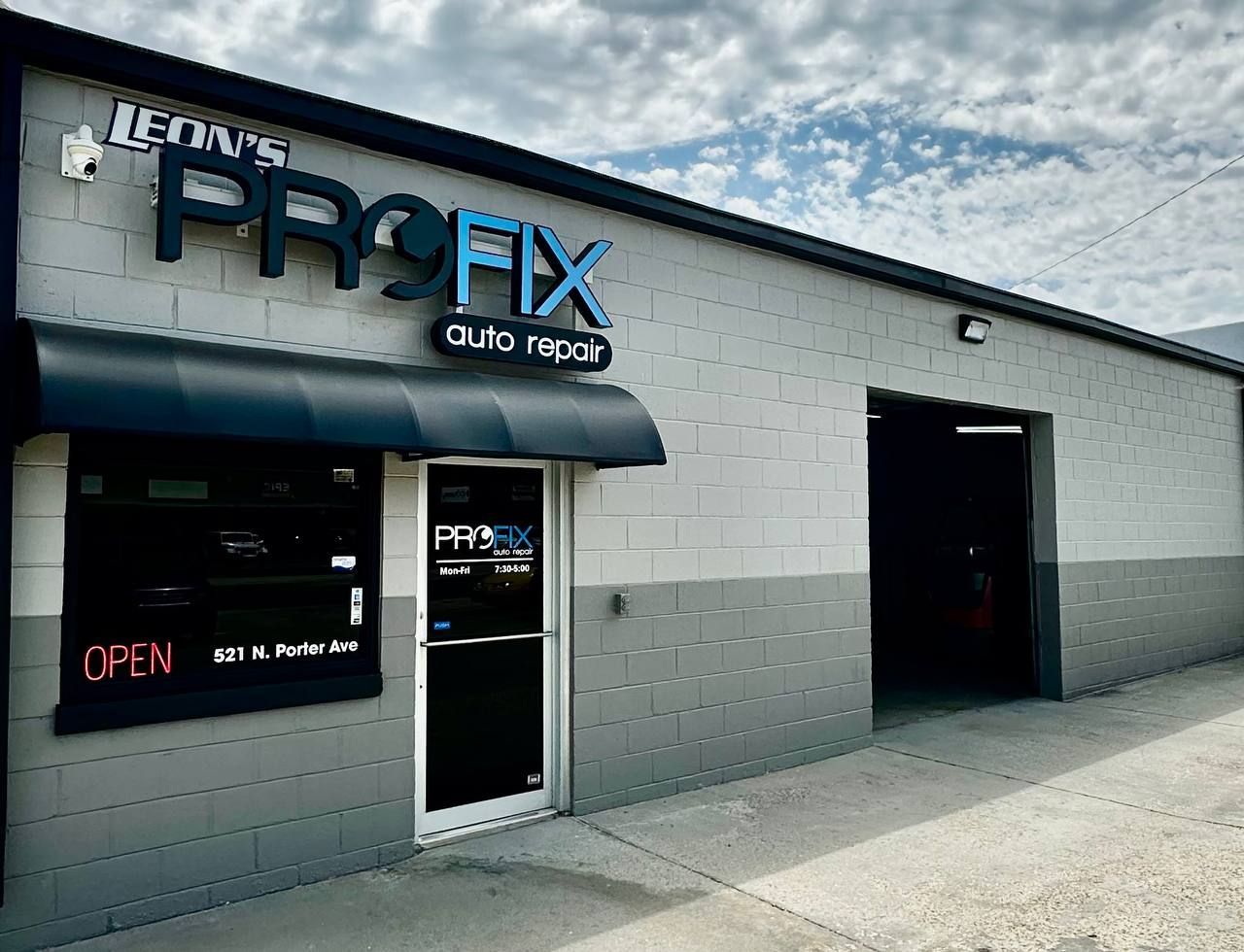
Leon’s PROFIX Auto Repair – East
521 N Porter Ave
Norman, OK 73071
📞 (405) 364-2799
🕒 Monday–Friday: 7:30 AM – 5:00 PM
Email Us: